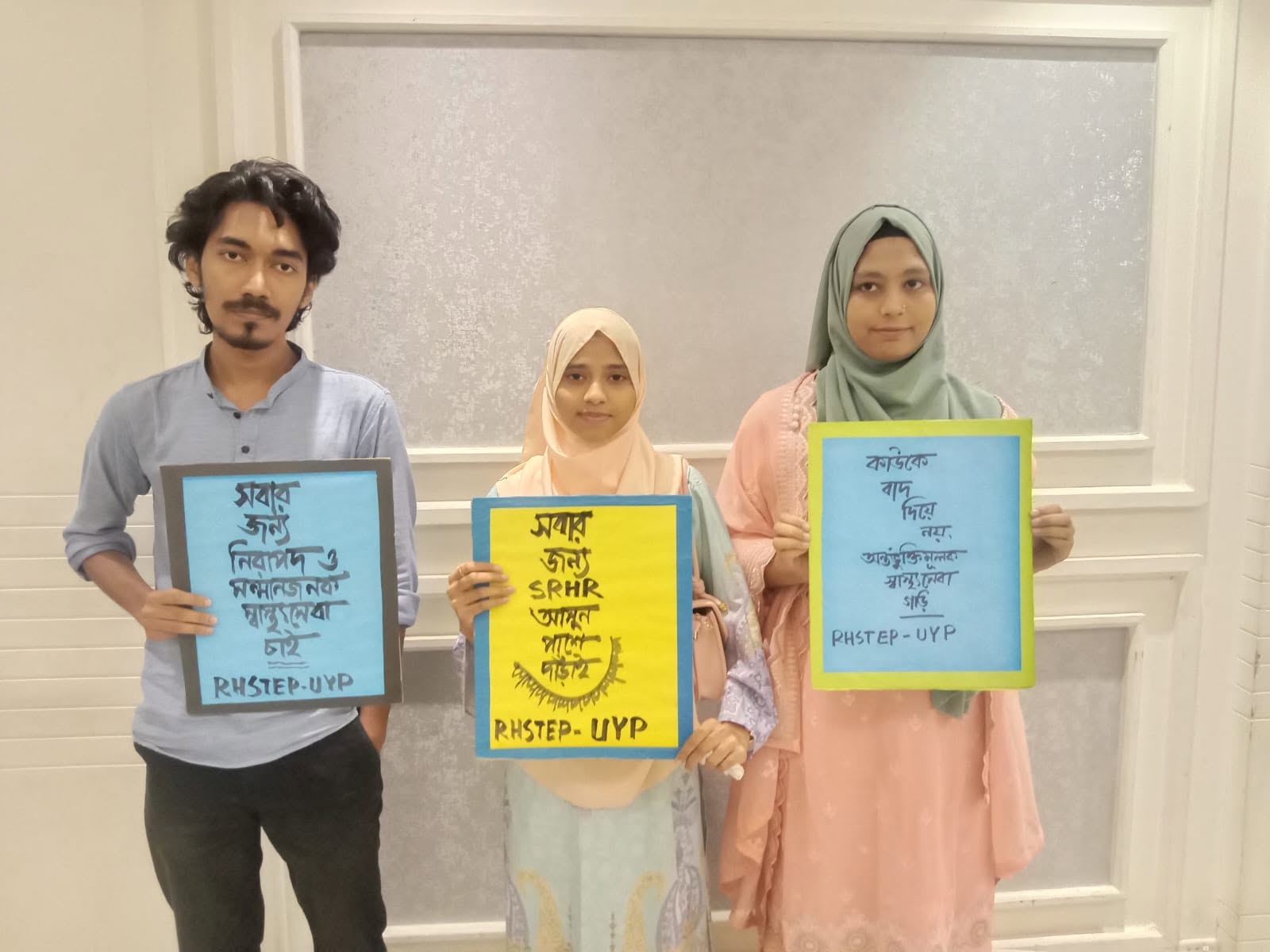
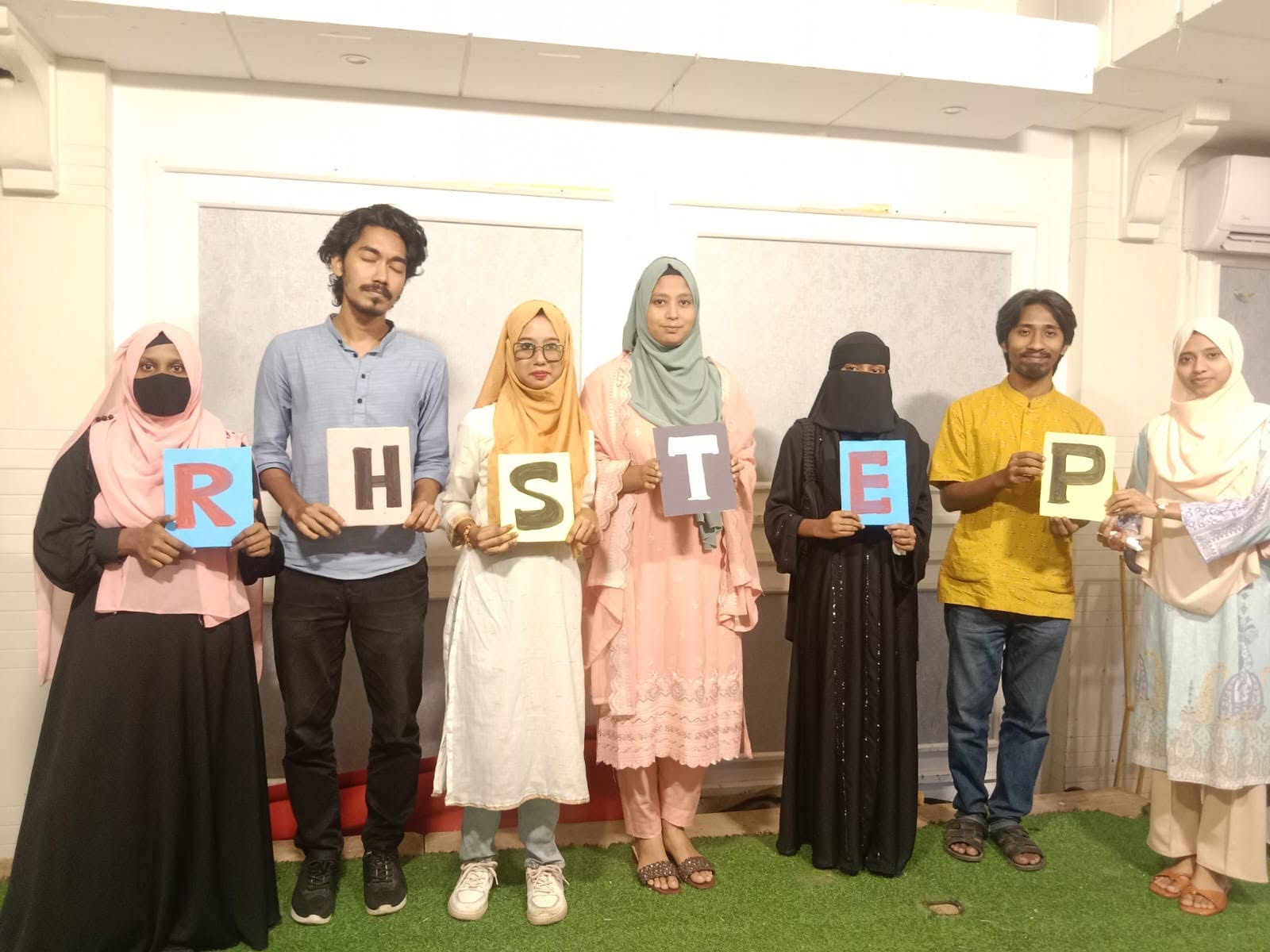
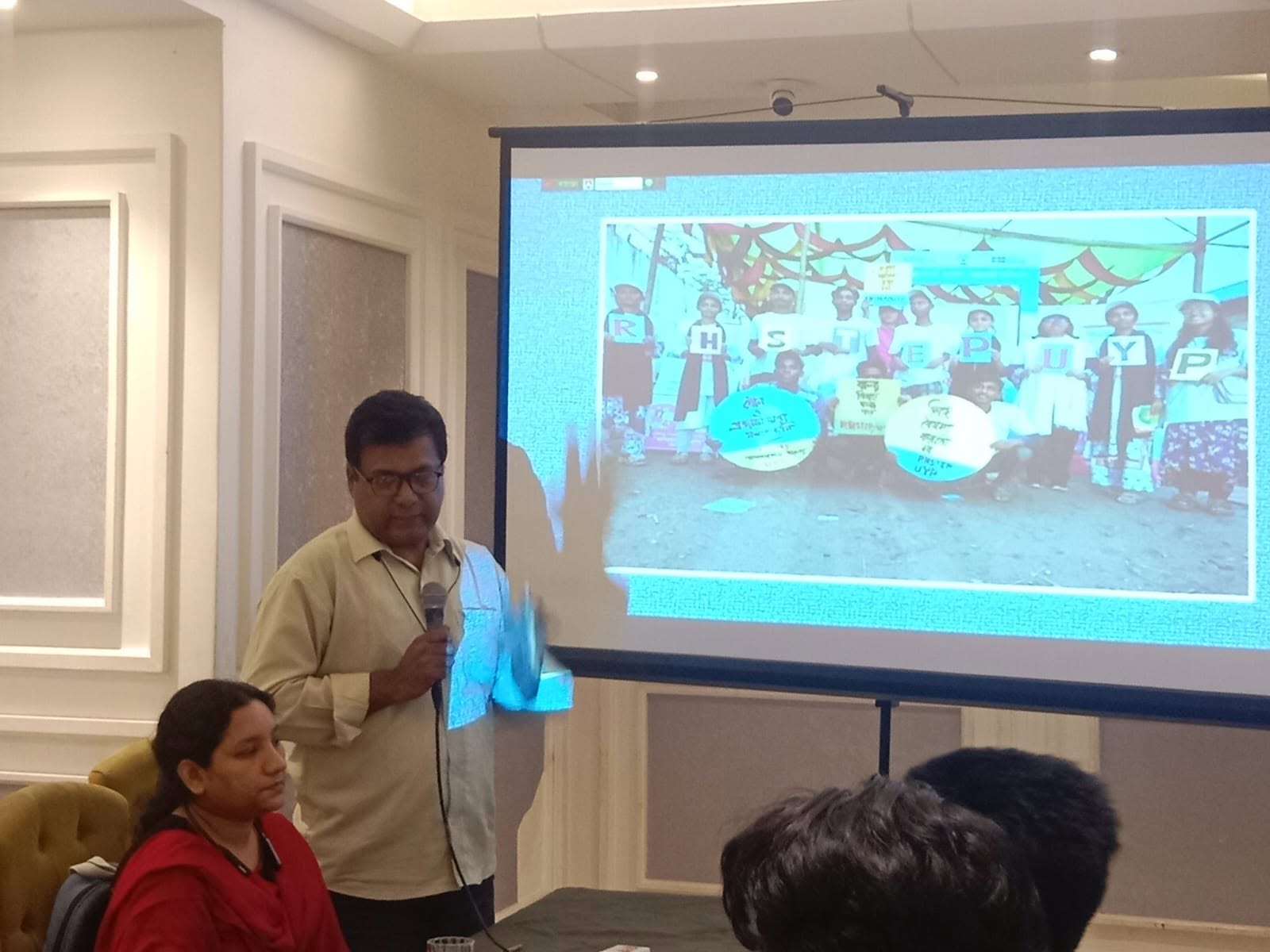
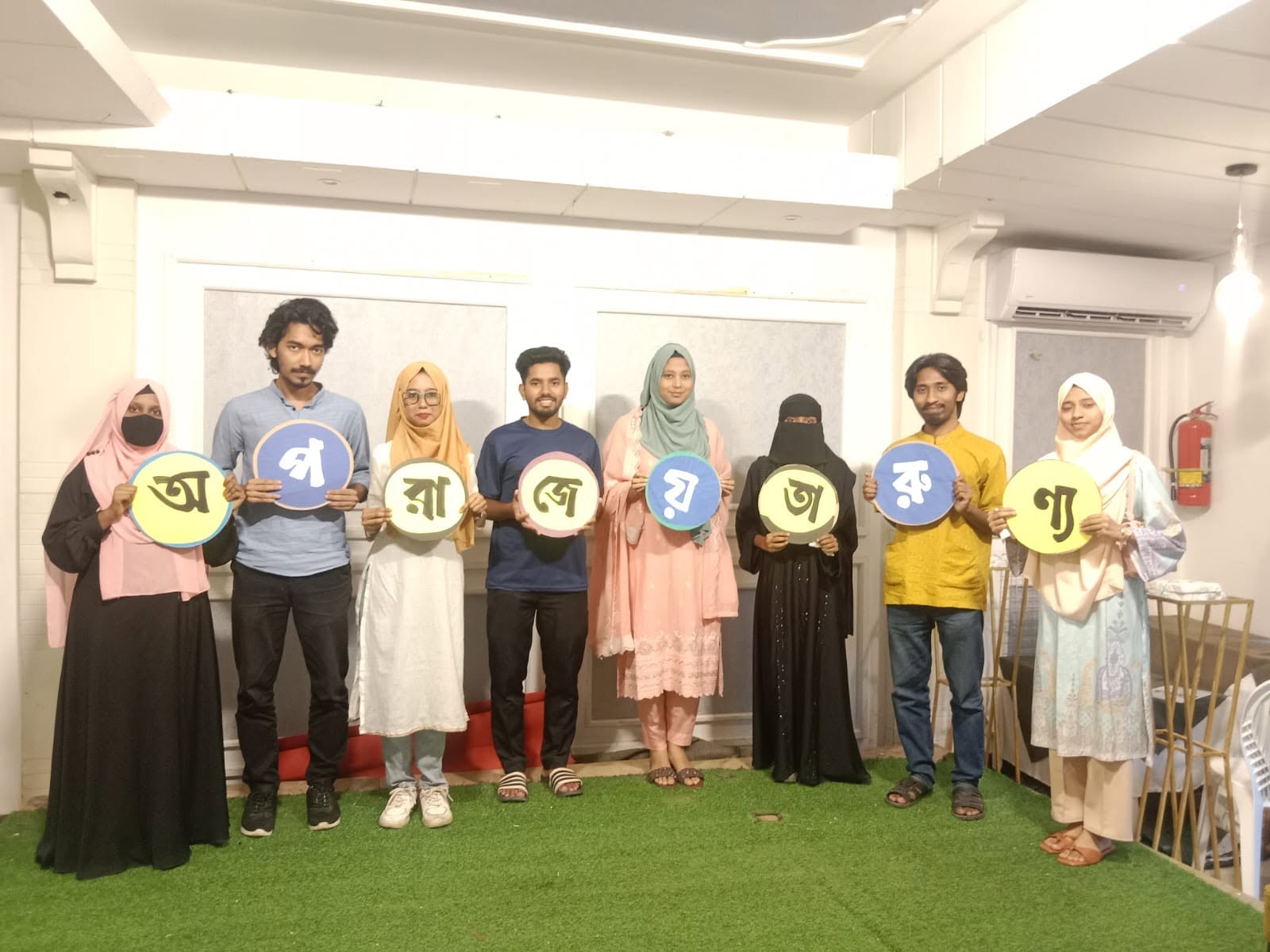
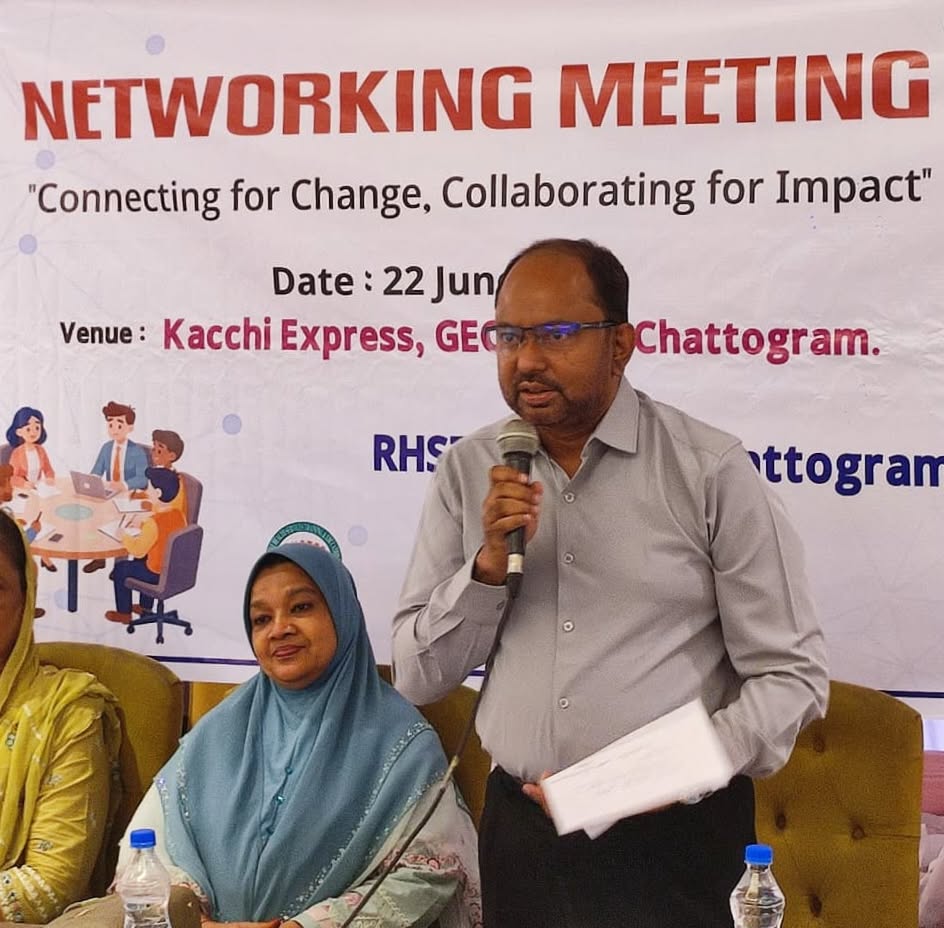
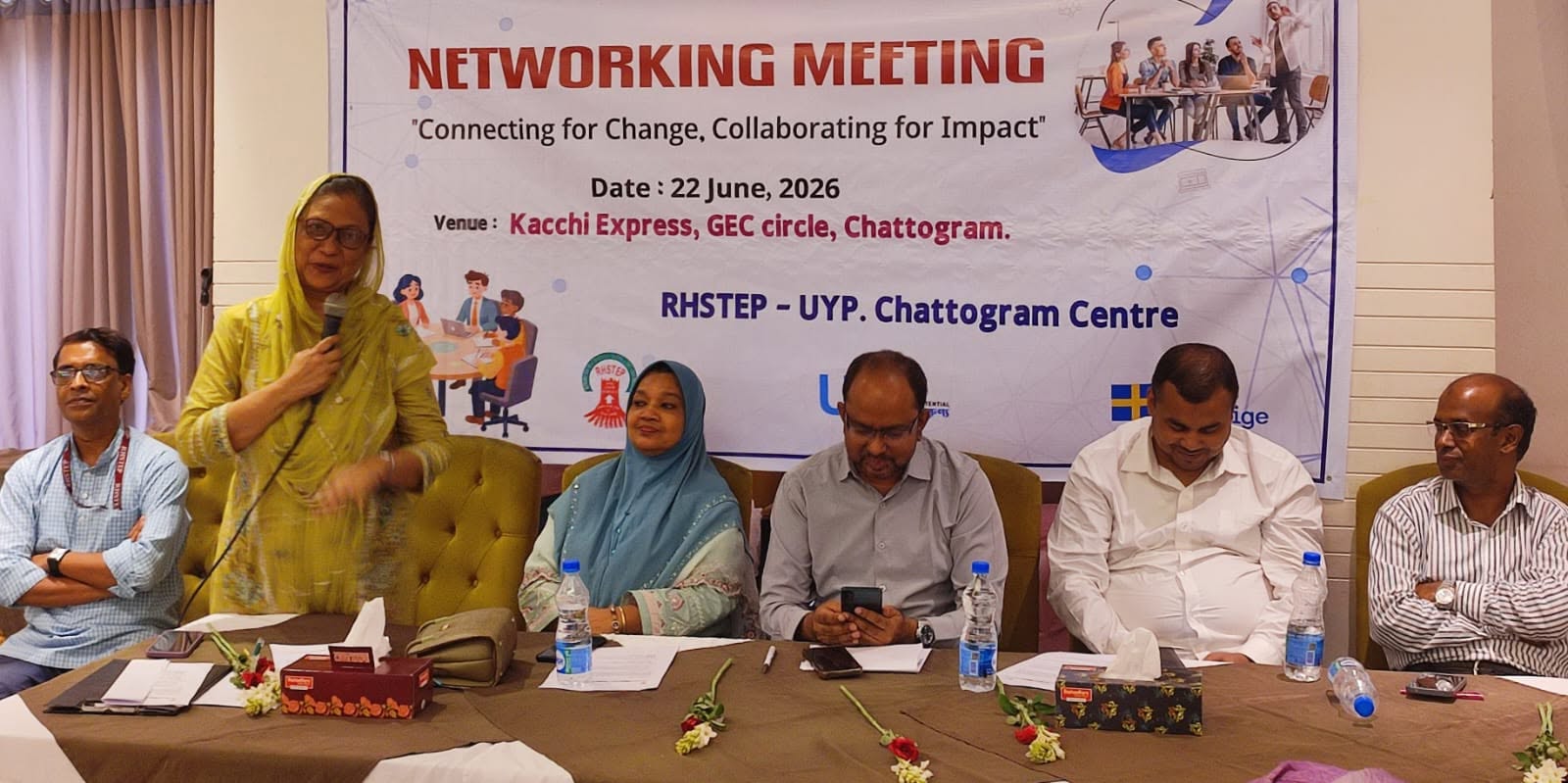
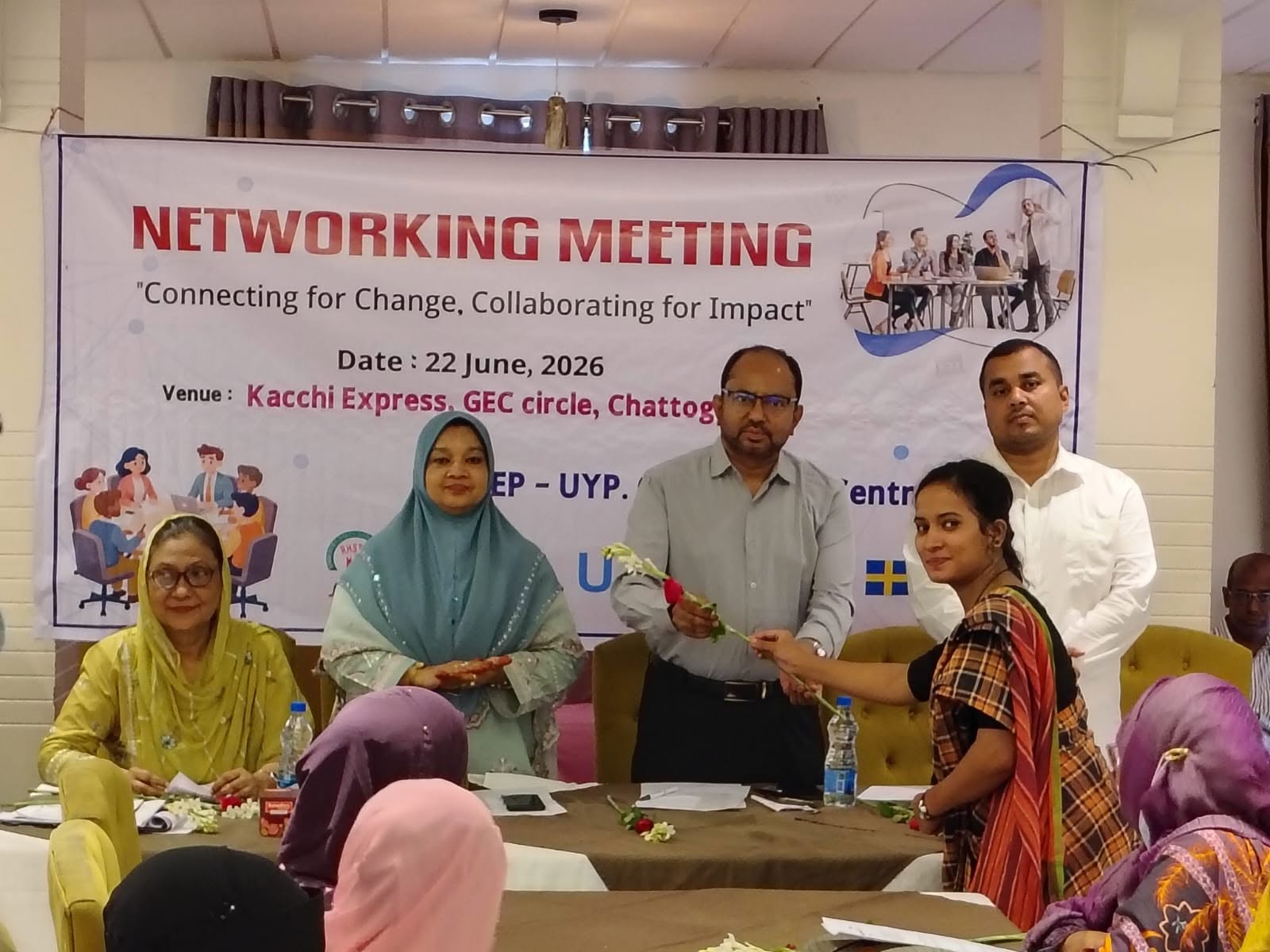
RHSTEP’s Chattogram UYP (Unlocking Youth Potential) Centre organized a Networking Meeting on 22 June 2026 under the slogan, “Ensure Equal Rights and Better Health for All.” The meeting brought together government officials, healthcare professionals, media representatives, civil society organizations, and disability advocates to strengthen partnerships and promote inclusive, equitable, and rights-based healthcare services for adolescents, marginalized communities, and persons with disabilities.
The meeting was chaired by Dr. Delowar Akter, Program Coordinator of RHSTEP at Chattogram Medical College Hospital. Distinguished guests included Dr. Fazle Rabbi, Divisional Director (Health); Dr. Towhidul Islam, Deputy Civil Surgeon; Begum Shahan Waz, Deputy Director of the Department of Family Planning; Md. Jasim Uddin, Deputy Director of the District Social Services Office; Imam Hossain Raju, Reporter of The Daily Purbokone; Rajib Barua, Reporter of Channel 71; Safia Begum, representative of a disability organization; and Md. Shah Alam, Program Coordinator of Utsho. The session was moderated by Apu Dasgupta, Project Officer of RHSTEP’s UYP project.
During the discussion, speakers emphasized that adolescence is a critical stage of physical, emotional, and psychological development, making access to accurate health information and youth-friendly healthcare services essential. They highlighted the importance of coordinated efforts among families, educational institutions, healthcare providers, government agencies, and communities to create a safe, supportive, and inclusive environment for adolescents.
Participants also discussed the persistent healthcare disparities experienced by marginalized communities due to social, economic, and geographical barriers. The meeting underscored the need to make healthcare services more accessible, affordable, and free from discrimination so that every individual can equally benefit from quality healthcare.
Special attention was given to the health rights of persons with disabilities. Speakers stressed the importance of making healthcare facilities more inclusive and disability-friendly by improving accessibility, communication systems, information dissemination, and physical infrastructure. They also emphasized strengthening collaboration among government institutions, non-governmental organizations, civil society, and community stakeholders to ensure equal access to healthcare services for all.
The meeting concluded with a shared commitment from participants to work collectively in advancing health equity, disability inclusion, adolescent health, and social justice. They also called for stronger networking, effective information sharing, and coordinated multi-sectoral initiatives to ensure sustainable, inclusive, and rights-based healthcare services for adolescents, marginalized communities, and persons with disabilities across Bangladesh.
Event Gallery