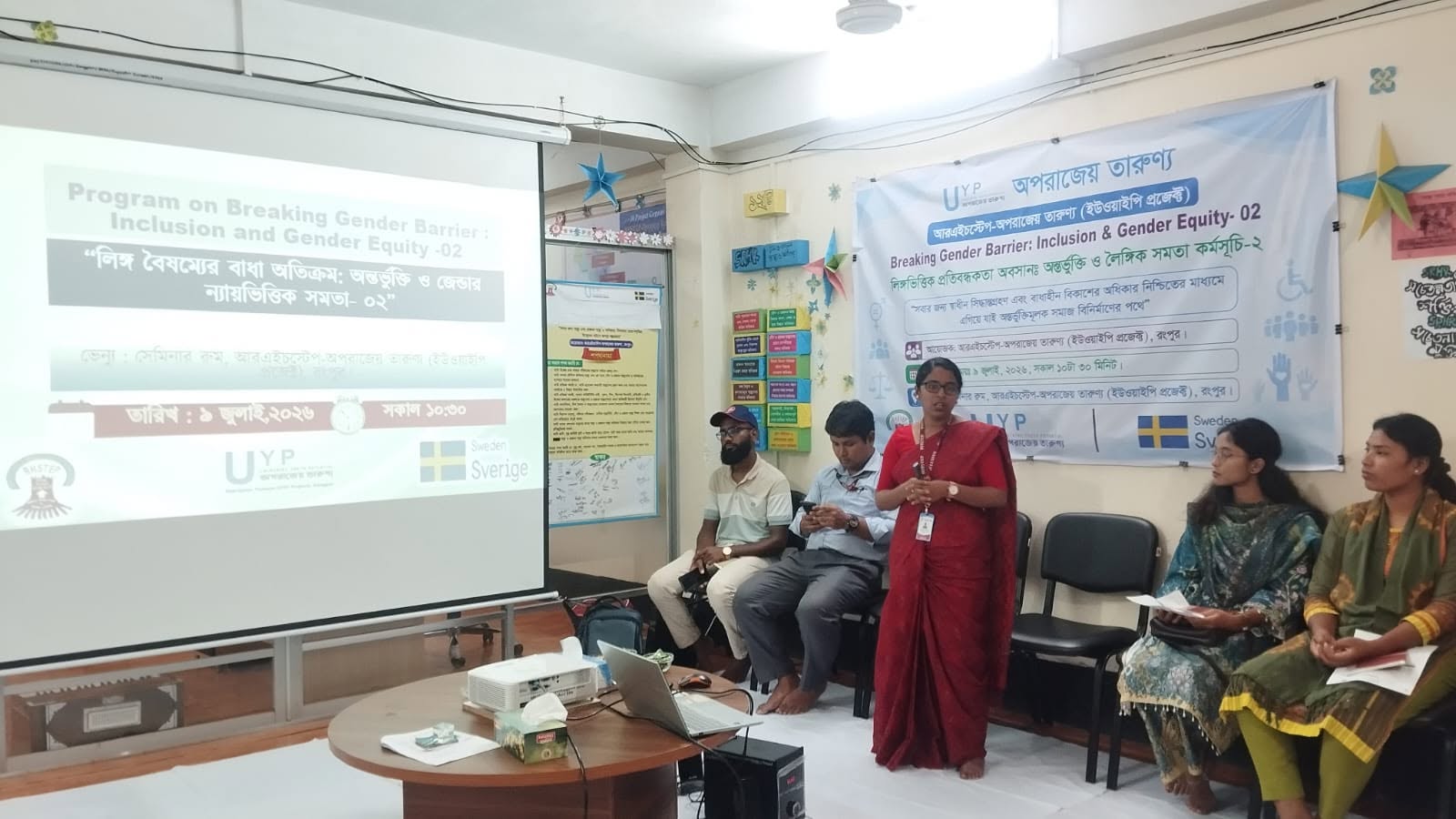
On 9 July 2026 (Thursday), Aparajeyo Tarunno UYP RHSTEP organized an awareness and participatory program on “Inclusion and Gender Equity” at the RHSTEP Rangpur branch office.
The program aimed to raise awareness about the importance of ensuring equal rights, equal opportunities, dignity, and participation in decision-making for everyone in society, including women, men, adolescents, transgender and third-gender people, and persons with disabilities. The event also highlighted the important role young people can play in building a non-discriminatory, inclusive, and gender-equitable society.
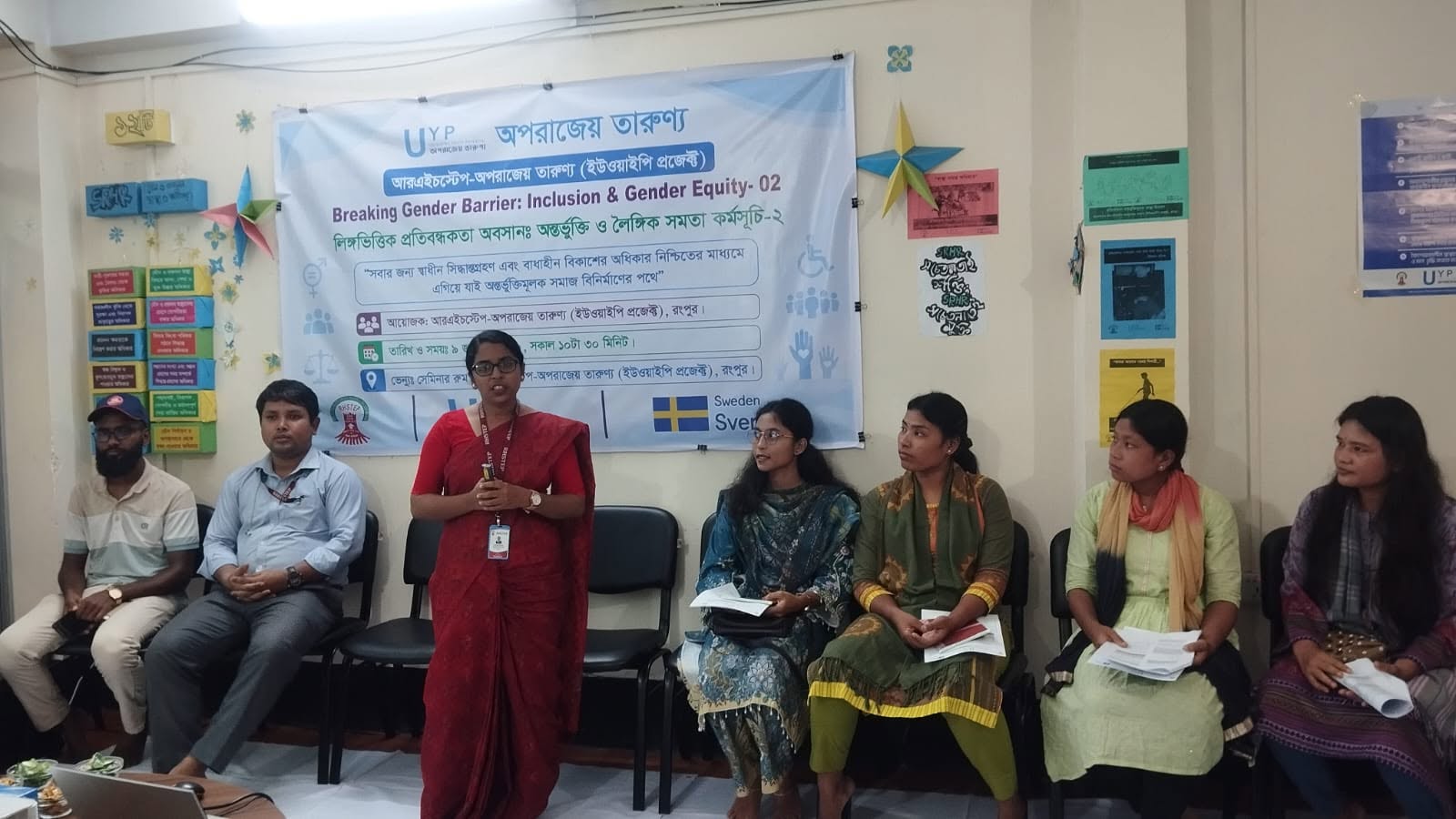
The session was chaired by Animesh Roy, Project Officer of Aparajeyo Tarunno Rangpur, while Youth Officer Swarnali Acharya delivered the welcome remarks. She emphasized the importance of promoting gender equality, mutual respect, and social inclusion among young people.
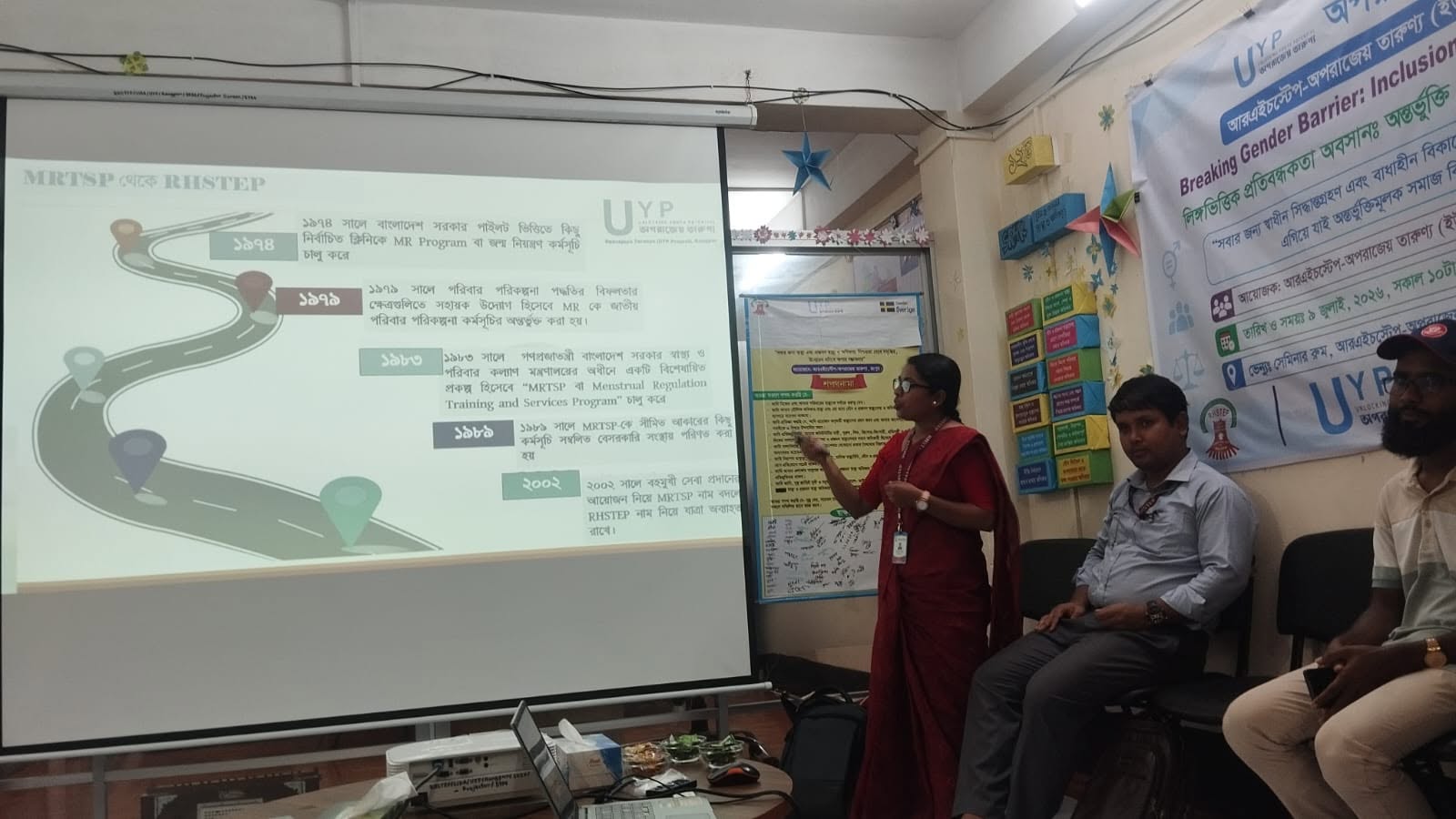
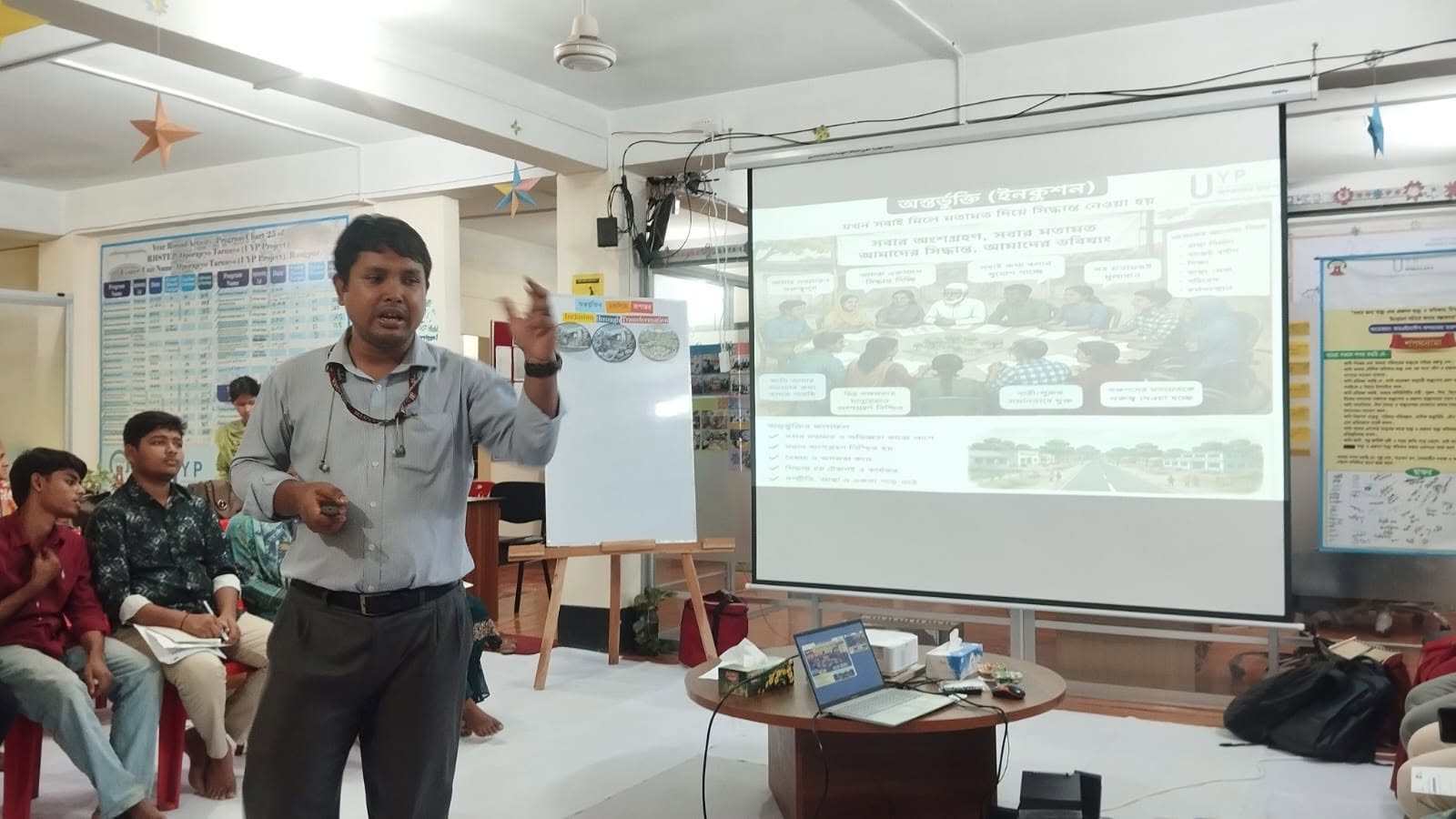
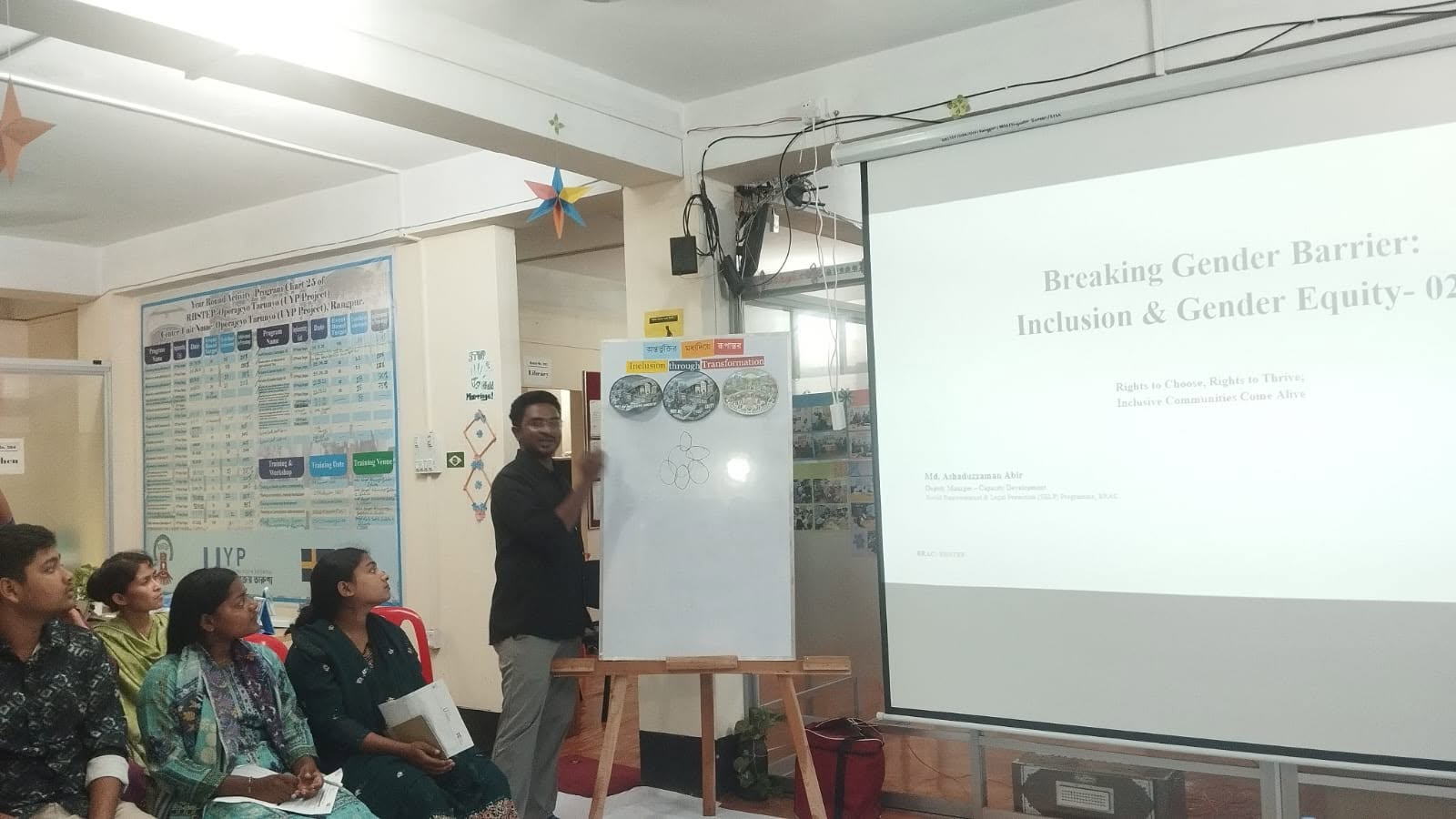
The chief guest and keynote speaker was Md. Asaduzzaman Abir, Deputy Manager, Capacity Development, Social Empowerment and Legal Protection Program, BRAC Regional Office, Rangpur. In his presentation, he discussed the social impact of gender discrimination, the importance of inclusive development, and the responsibilities of young people in creating a more equitable society. He emphasized that a just and humane society requires the equal recognition and value of everyone’s opinions, experiences, and participation.
To encourage interaction and create a comfortable environment among participants, Youth Officer Swarnali Acharya facilitated an engaging ice-breaking and introduction session. She also introduced participants to the objectives and activities of the Aparajeyo Tarunno Project and discussed opportunities for young people to become actively involved in its initiatives.
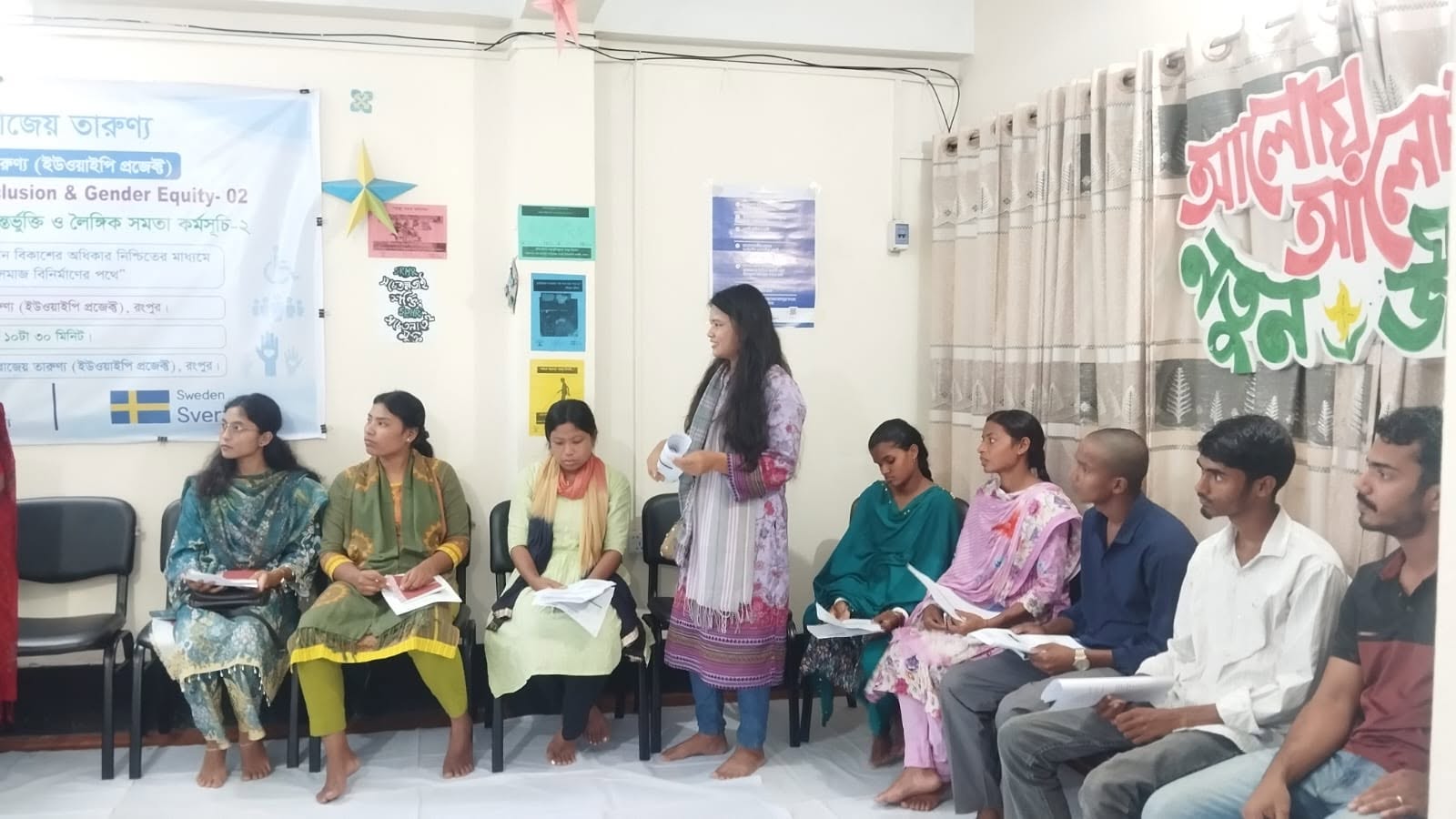
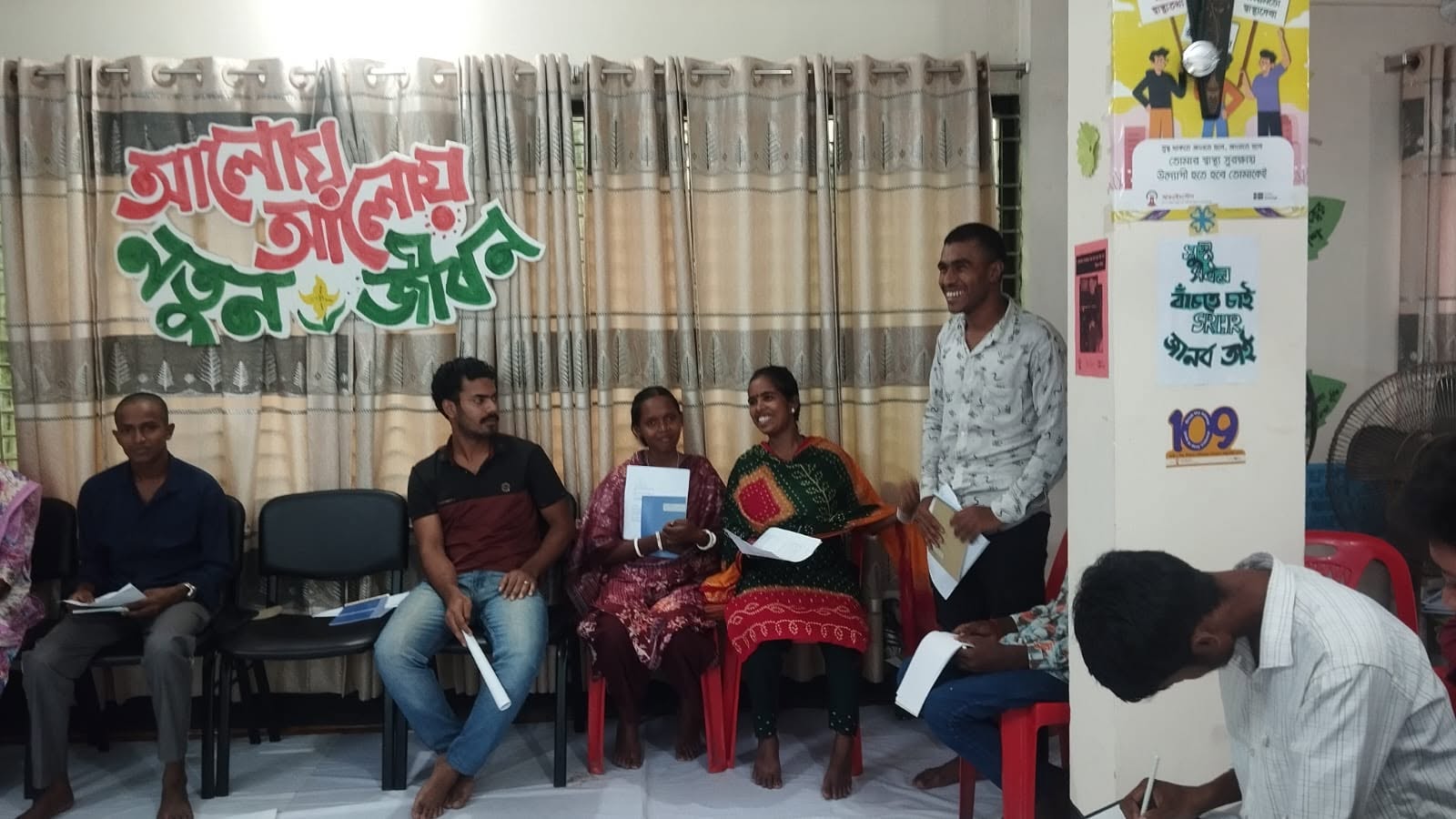
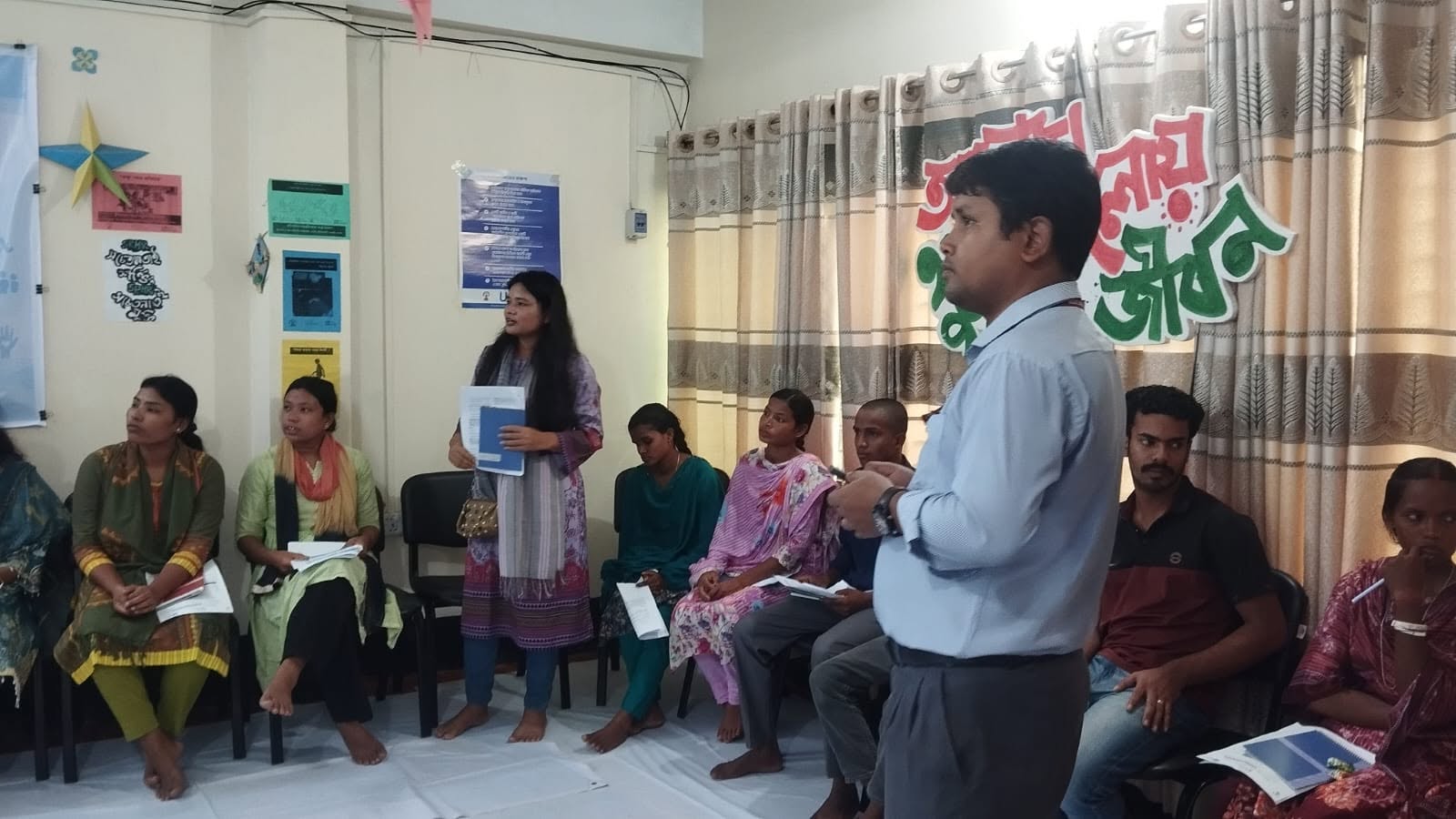
Young participants from different schools, colleges, universities, and communities actively took part in the program. They shared their personal experiences, opinions, and observations while engaging in discussions on gender equality, social inclusion, and human rights.
One of the interactive components of the program was the creative session titled “Transform Through Inclusion.” Participants were divided into three groups and encouraged to identify existing social problems, explore possible solutions, and envision the kind of society they would like to see in the future. The activity generated enthusiastic participation and encouraged young people to think critically about social inequalities and their role in creating positive change.
A key attraction of the program was an awareness drama focused on preventing child marriage. The drama presented the story of Mala, a 16-year-old girl whose family planned her marriage despite her dream of pursuing higher education. The story demonstrated how an educated young man named Kabir and a teacher, Hasina Begum, raised awareness about the harmful consequences of child marriage and the rights of adolescent girls.
Through their logical arguments and courageous intervention, the drama demonstrated how community members can challenge harmful social practices and recognize the importance of respecting the voices and decision-making rights of all individuals.
The speakers expressed their hope that awareness initiatives of this kind will strengthen the practice of human rights, gender equality, social inclusion, and youth participation among young people and contribute to building a society free from discrimination.
The program concluded with an appeal from Aparajeyo Tarunno encouraging all participants to take meaningful action from their respective positions toward building a more inclusive, equitable, respectful, and humane society.
Event Gallery