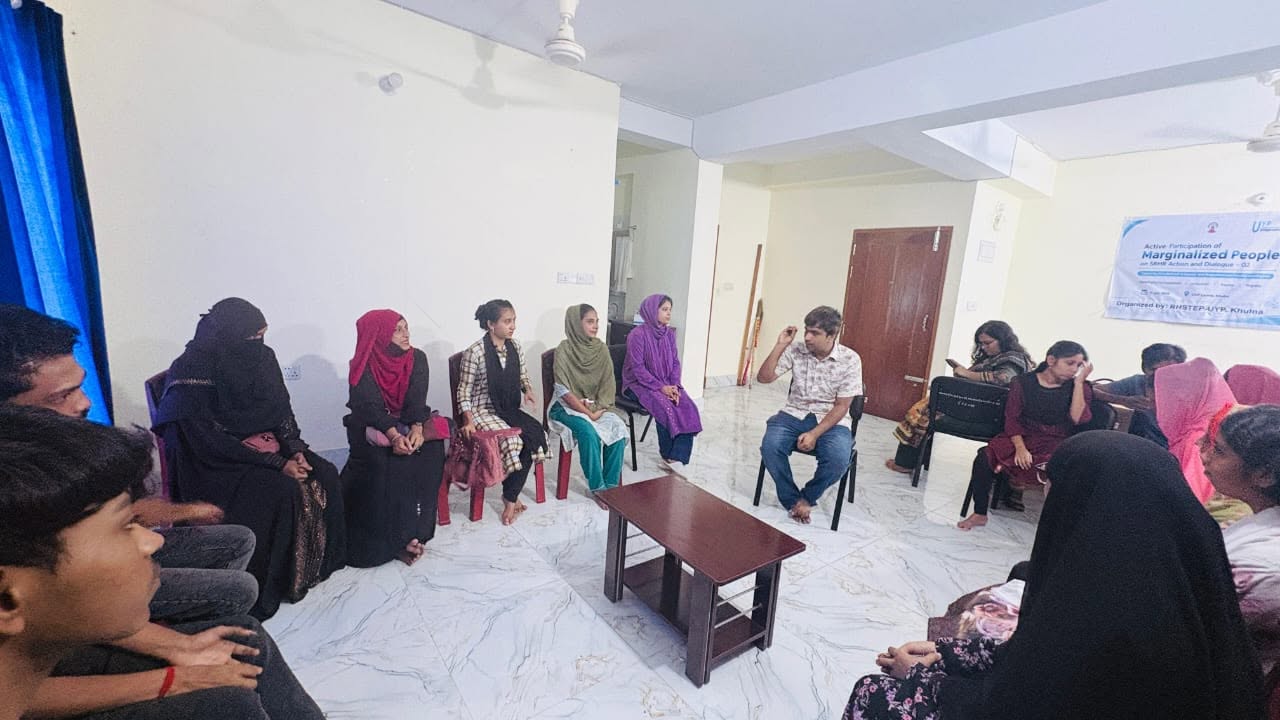
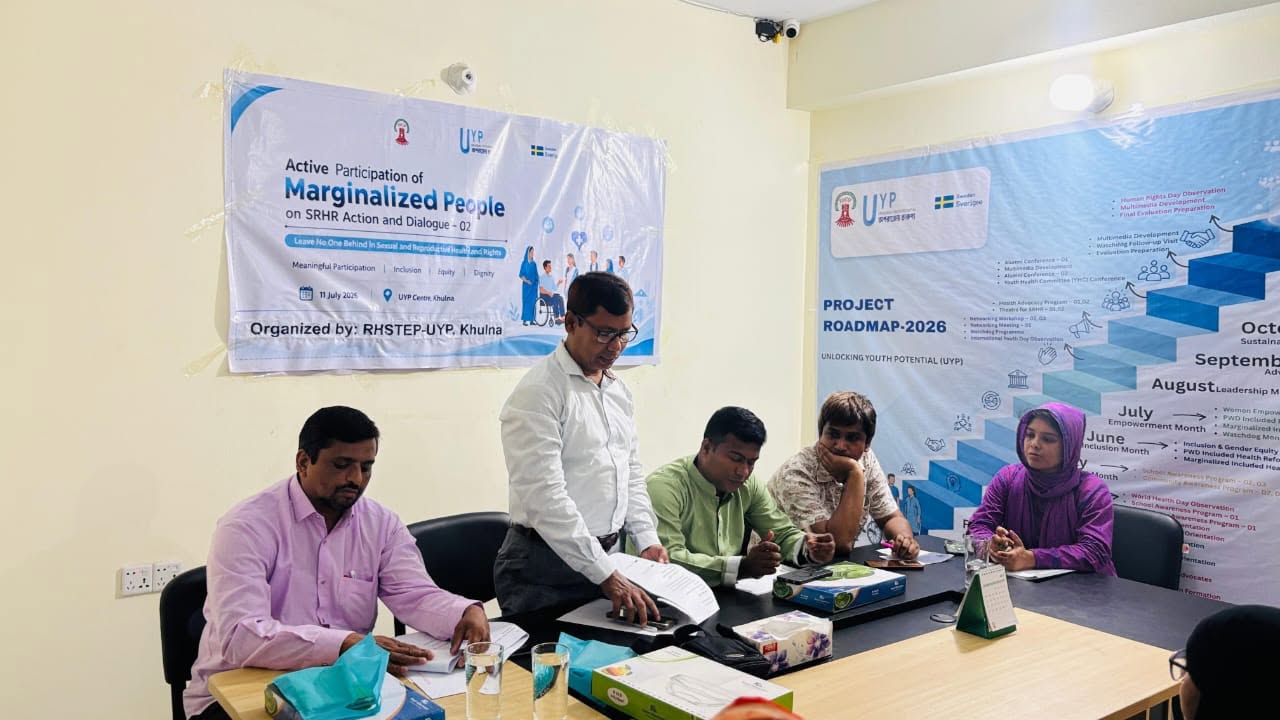
On 11 July 2026 (Saturday), Aparajeyo Tarunno (UYP), Khulna, organized a five-hour participatory program titled “Active Participation of Marginalized Groups in SRHR Dialogue and Action Program–02.” The initiative aimed to strengthen awareness of Sexual and Reproductive Health and Rights (SRHR) among marginalized communities while encouraging meaningful participation, open dialogue, and informed decision-making regarding health and rights.
The program was attended by Abul Kalam Azad, Senior Health Education Officer, Civil Surgeon’s Office, Khulna, as the chief guest. Nasir Ahmed, Teacher at OBAT, and Shakhawat Hossain Biplob, Coordinator at Rupsha Ganaswasthya Kendra, served as facilitators for different sessions.
The program began with an engaging football-passing ice-breaking activity facilitated by Nosheen Tabassum, Youth Officer, UYP Khulna. The activity encouraged participants to introduce themselves and share their favorite football teams, creating a friendly and interactive environment for learning and discussion.
The next session featured an interactive game titled “SRHR: Myth or Fact,” facilitated by Sujay Chowdhury Samya, Project Officer, UYP Khulna. The activity generated strong interest among participants and helped them identify and challenge common misconceptions surrounding sexual and reproductive health and rights.
Following the interactive session, Noorani Hajera Aishwarya, Mentor, UYP Khulna, conducted a discussion on “What is SRHR and Why is it Important?” The session introduced participants to the fundamental concepts of sexual and reproductive health and rights and highlighted their relevance to individuals, families, and communities.
The program also addressed SRHR from different perspectives. Shakhawat Hossain Biplob conducted a session on Sexual and Reproductive Health and Rights for Men, highlighting the importance of involving men and boys in conversations about reproductive health and shared responsibility.
Another important session focused on consent and child marriage, facilitated by Sujay Chowdhury Samya. Participants explored the importance of informed and voluntary consent, as well as the harmful consequences of child marriage on health, rights, education, and future opportunities.
Providing practical and locally relevant information, Nasir Ahmed explained where and how SRHR-related healthcare services can be accessed in Khulna. This session aimed to help participants better understand available services and encourage them to seek appropriate healthcare when needed.
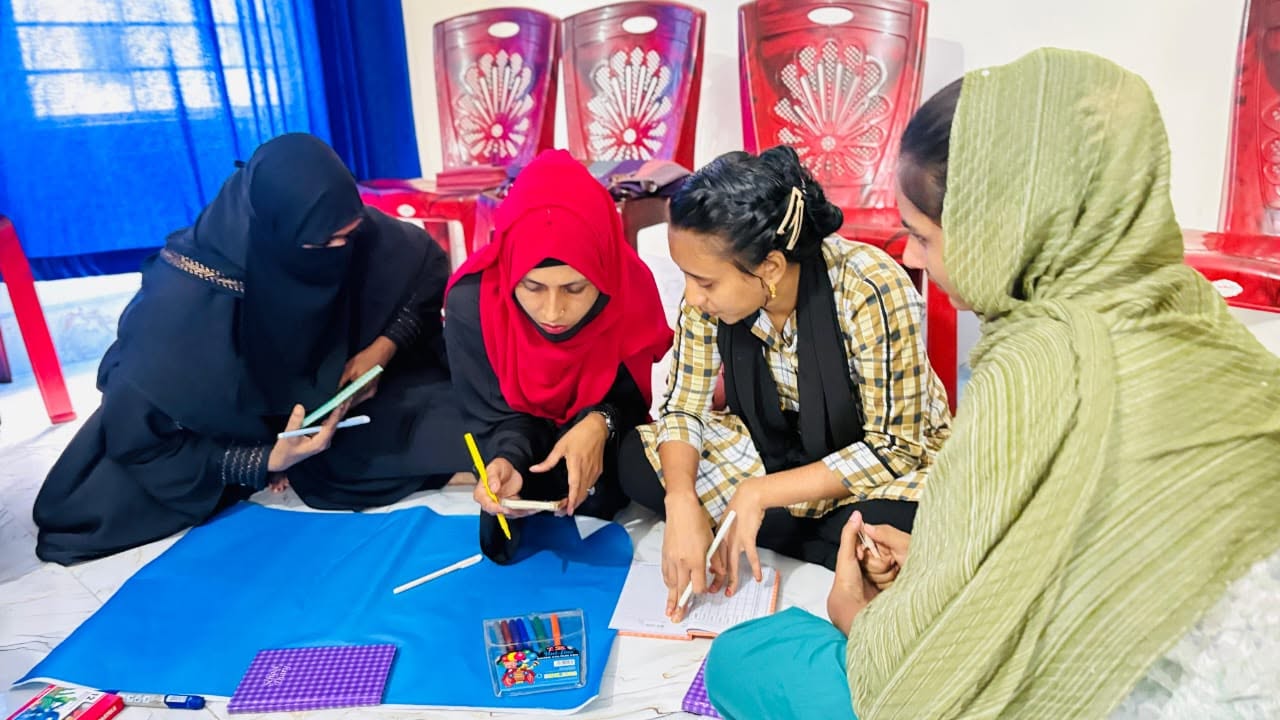
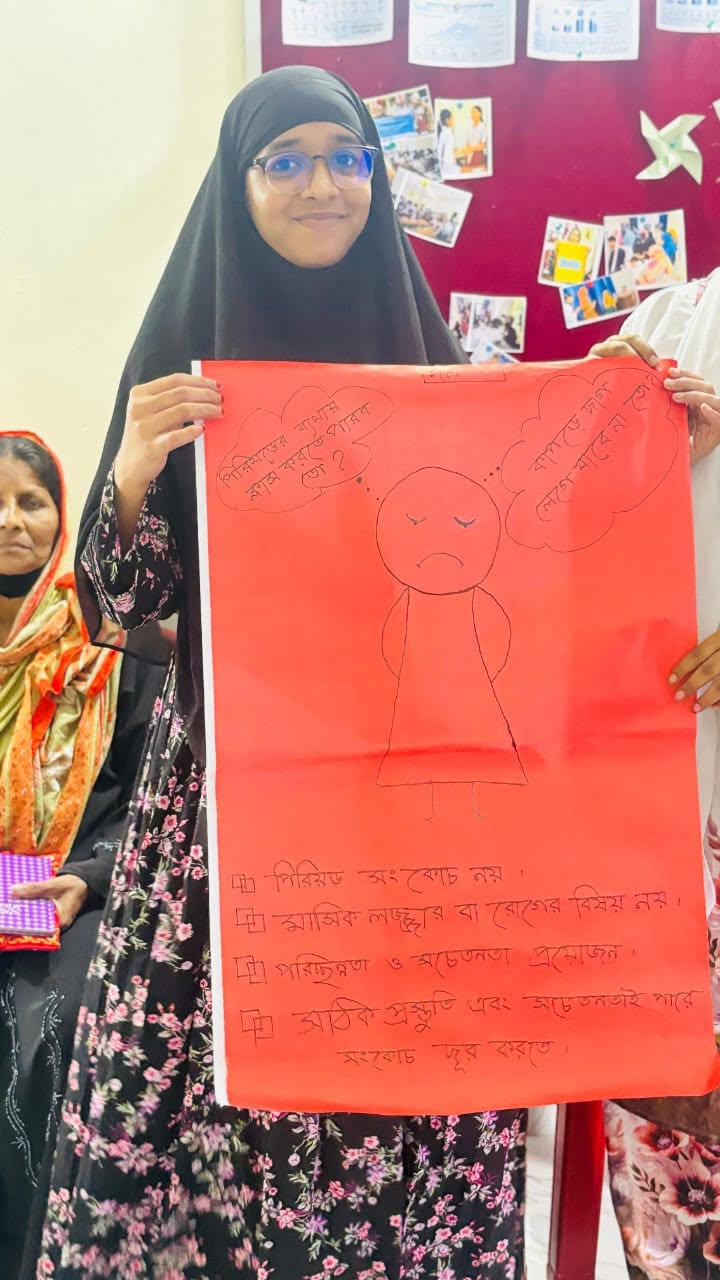
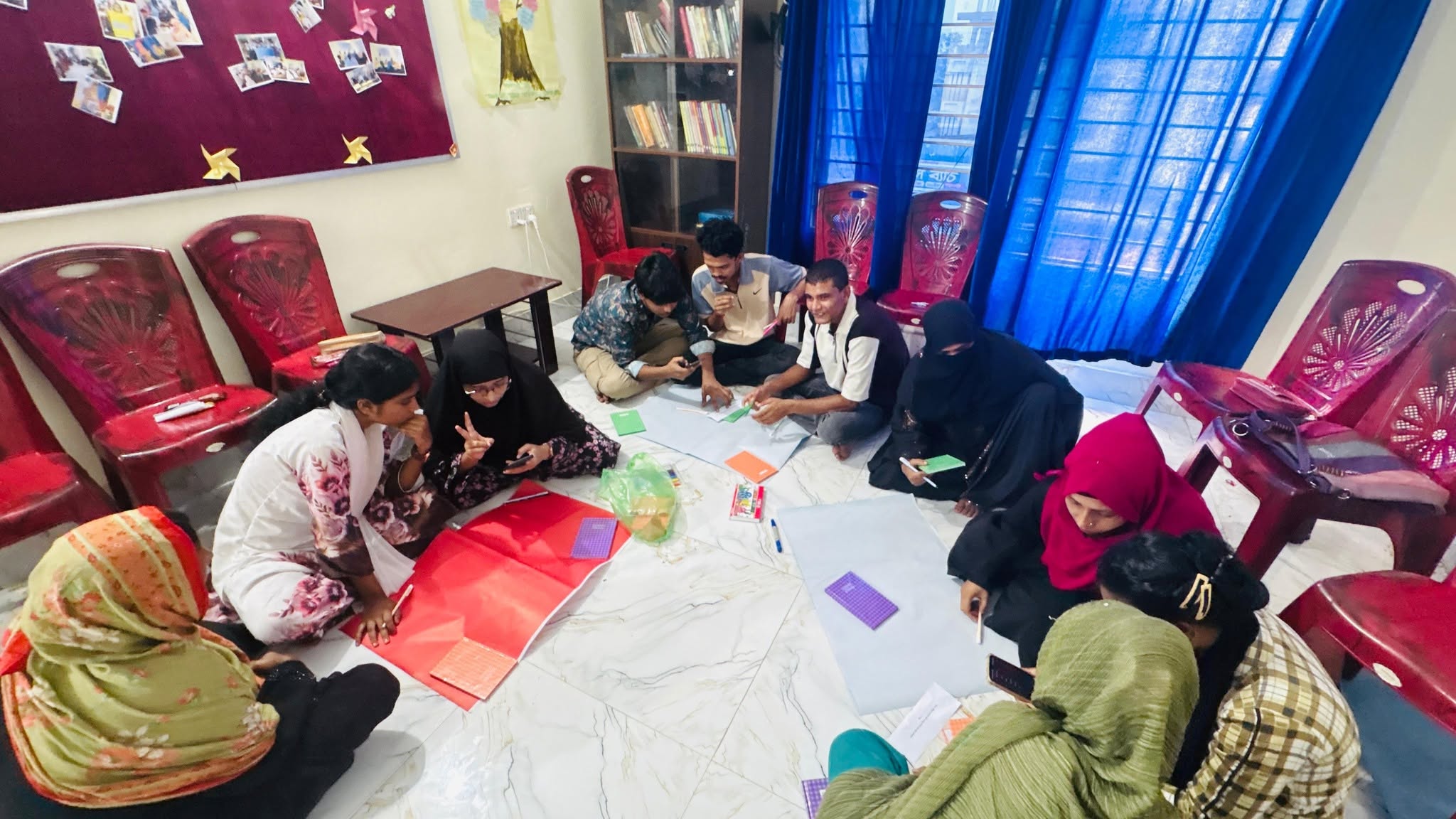
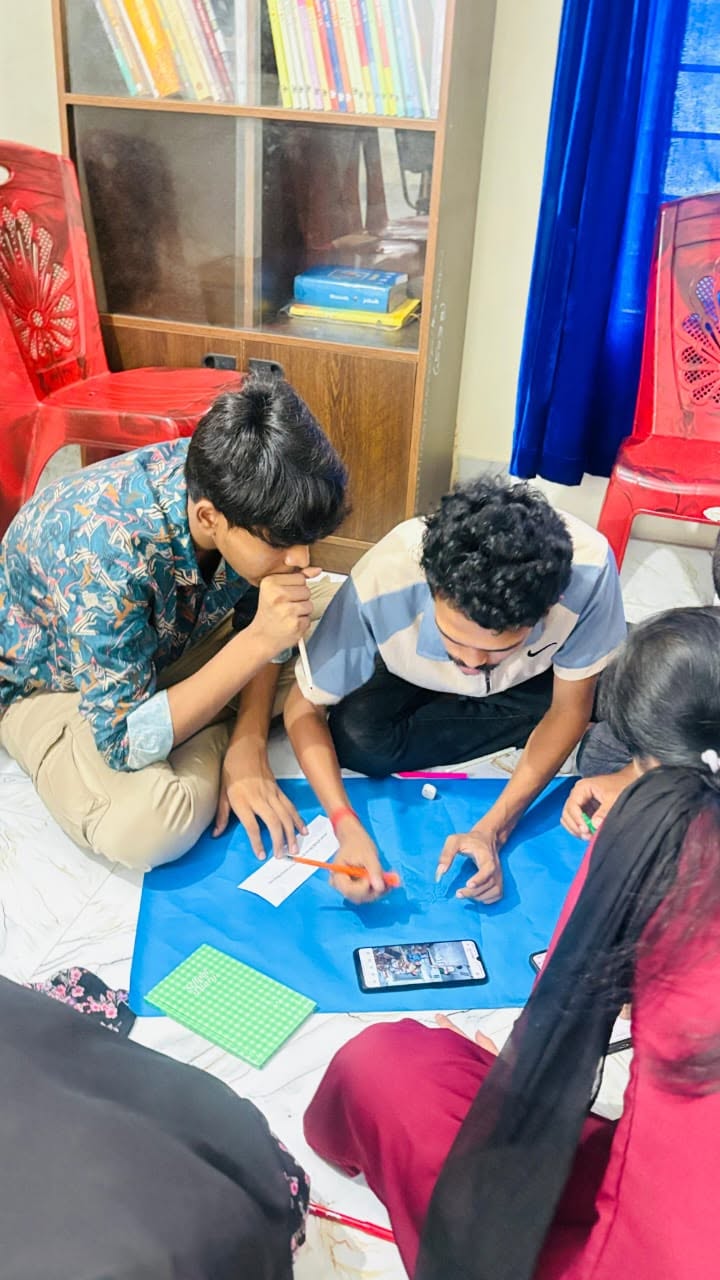
A key feature of the program was the Poster Writing and Exhibition Competition. Participants worked in groups to create posters around SRHR-related themes and presented their messages to others. The activity provided an opportunity for participants to express their understanding creatively while promoting awareness among their peers.
The program concluded with an open question-and-answer session, where participants had the opportunity to raise questions related to sexual and reproductive health and rights directly with the chief guest and other resource persons. The open discussion created a safe and participatory space for addressing concerns, clarifying misconceptions, and improving participants’ understanding of SRHR.
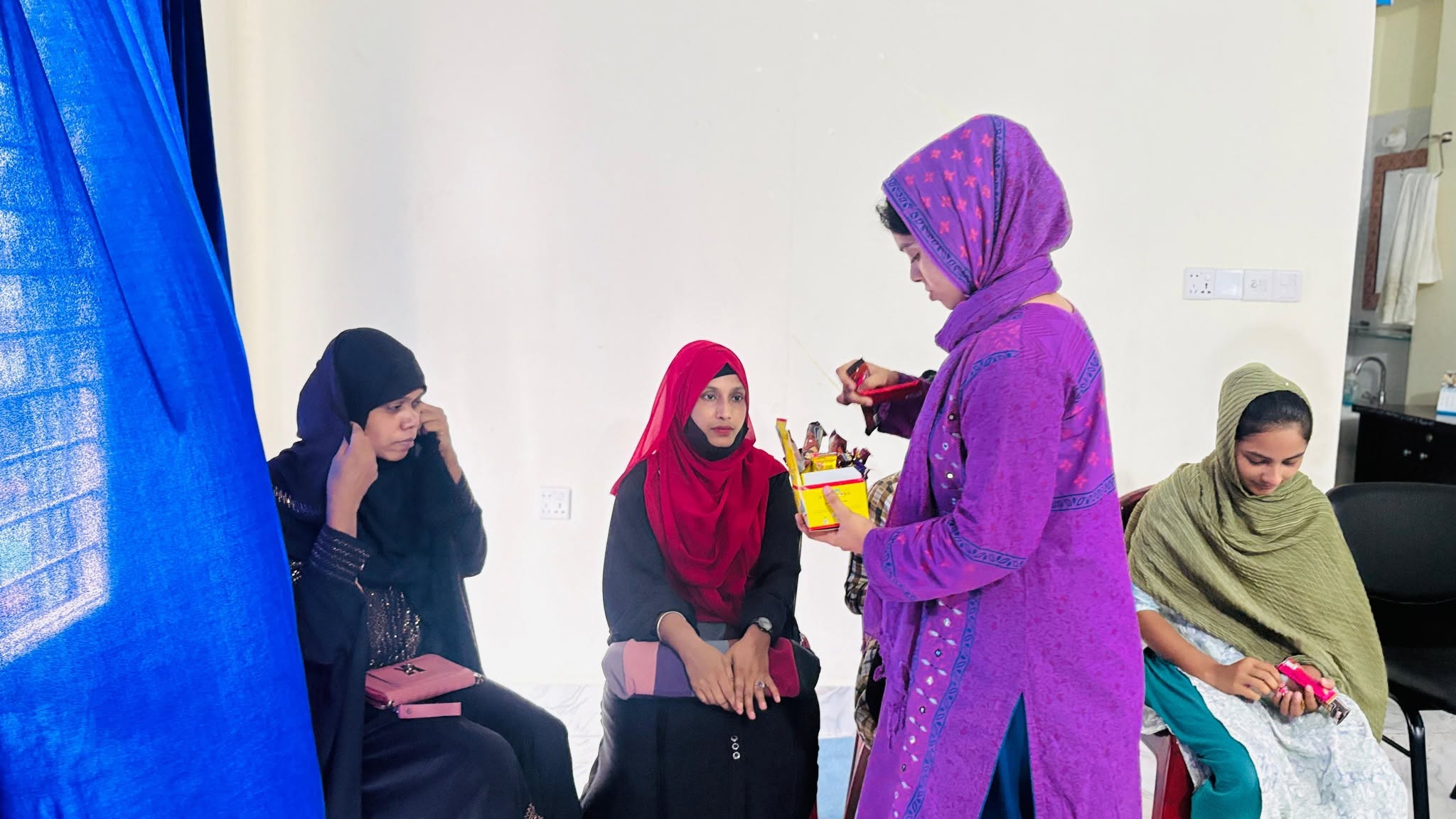
A tea break was also arranged during the five-hour program, providing participants with an informal opportunity to exchange views, build connections, and strengthen their networks.
Through participatory discussions, interactive games, creative poster presentations, practical health information, and open dialogue, the program contributed to increasing SRHR awareness among marginalized groups, challenging misconceptions, and encouraging more positive attitudes toward accessing essential health services.
The initiative reflects Aparajeyo Tarunno’s commitment to creating inclusive platforms where young people and marginalized communities can gain knowledge, express their concerns, participate in dialogue, and become more informed advocates for their sexual and reproductive health and rights.
Event Gallery