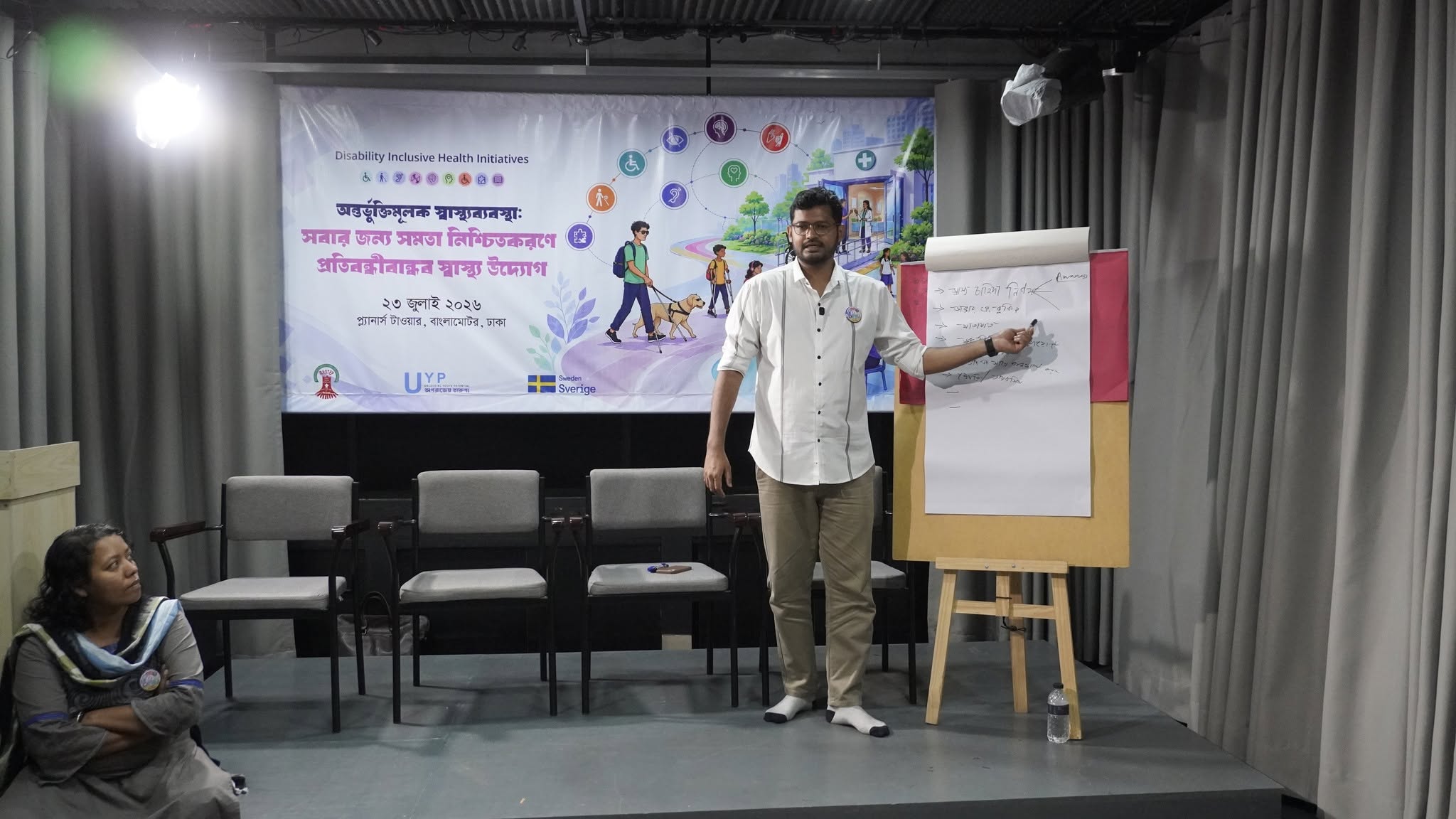
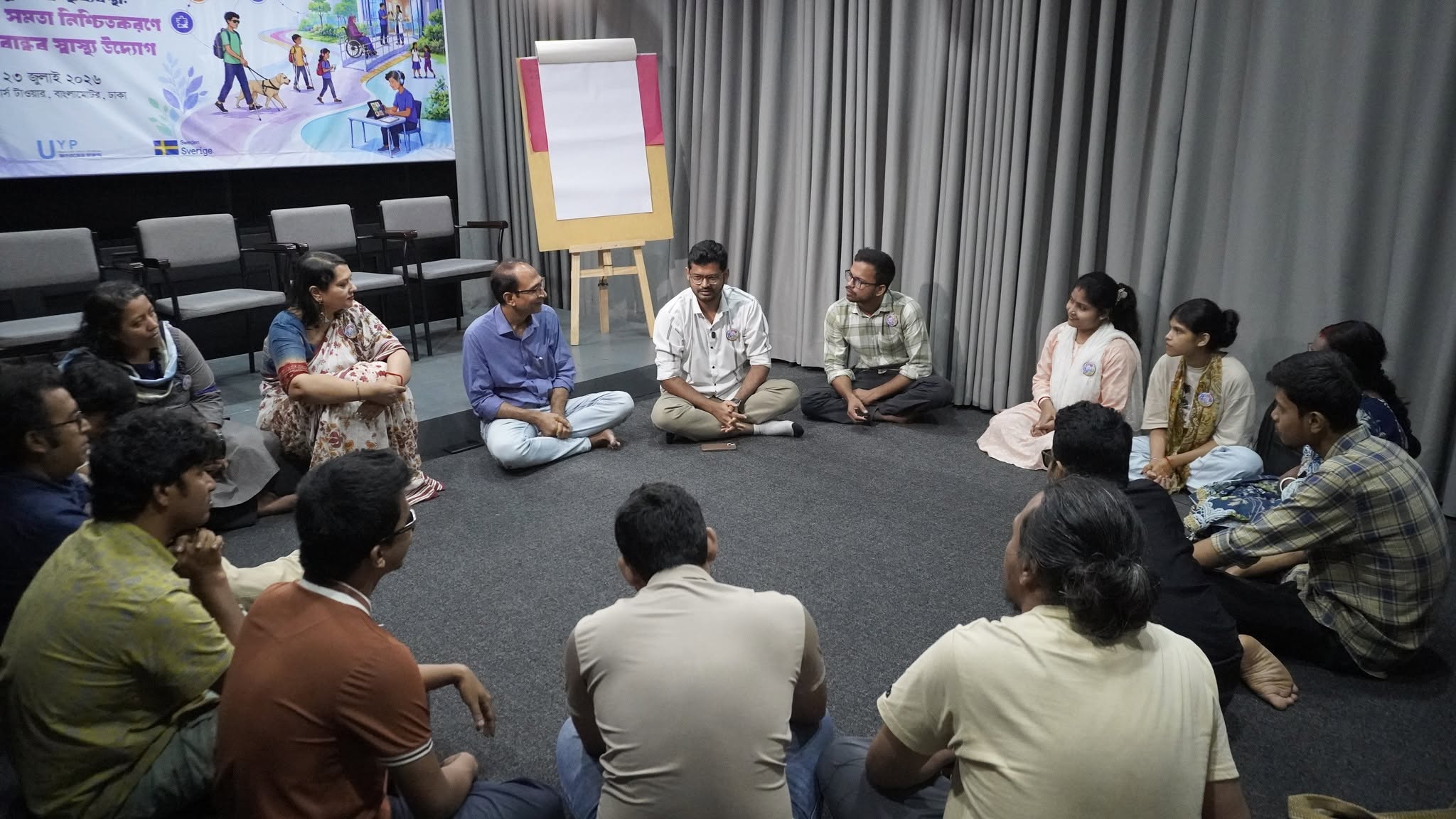
On **23 July 2026**, RHSTEP’s **Aparajeyo Tarunno (Unlocking Youth Potential)** project organized a discussion and participatory program titled **“Disability-Friendly Health Initiatives for Ensuring Equality for All”** at the project office in Dhaka. The initiative aimed to empower young people and ensure the meaningful participation of youth with disabilities in health-sector reform and decision-making.
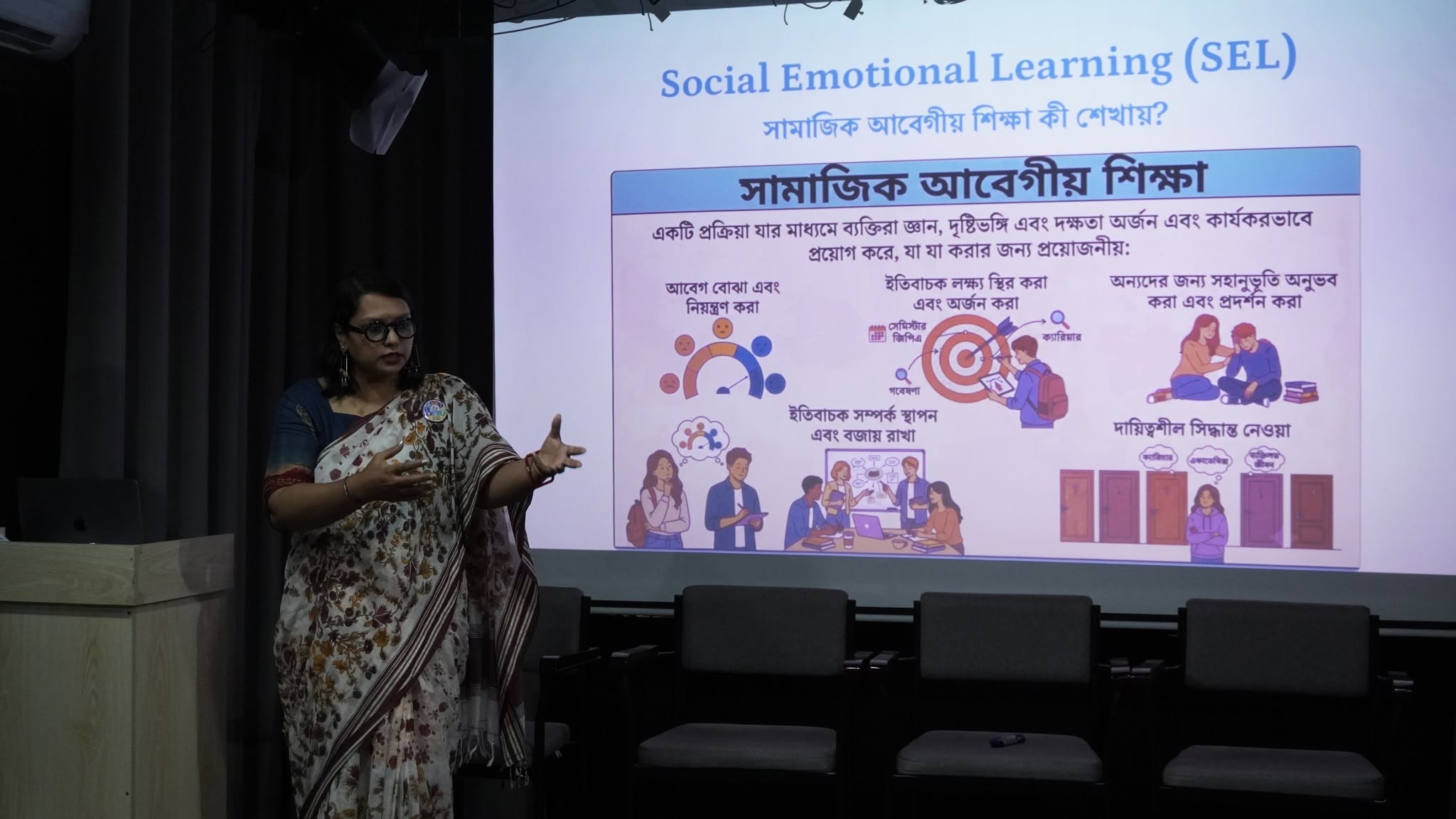
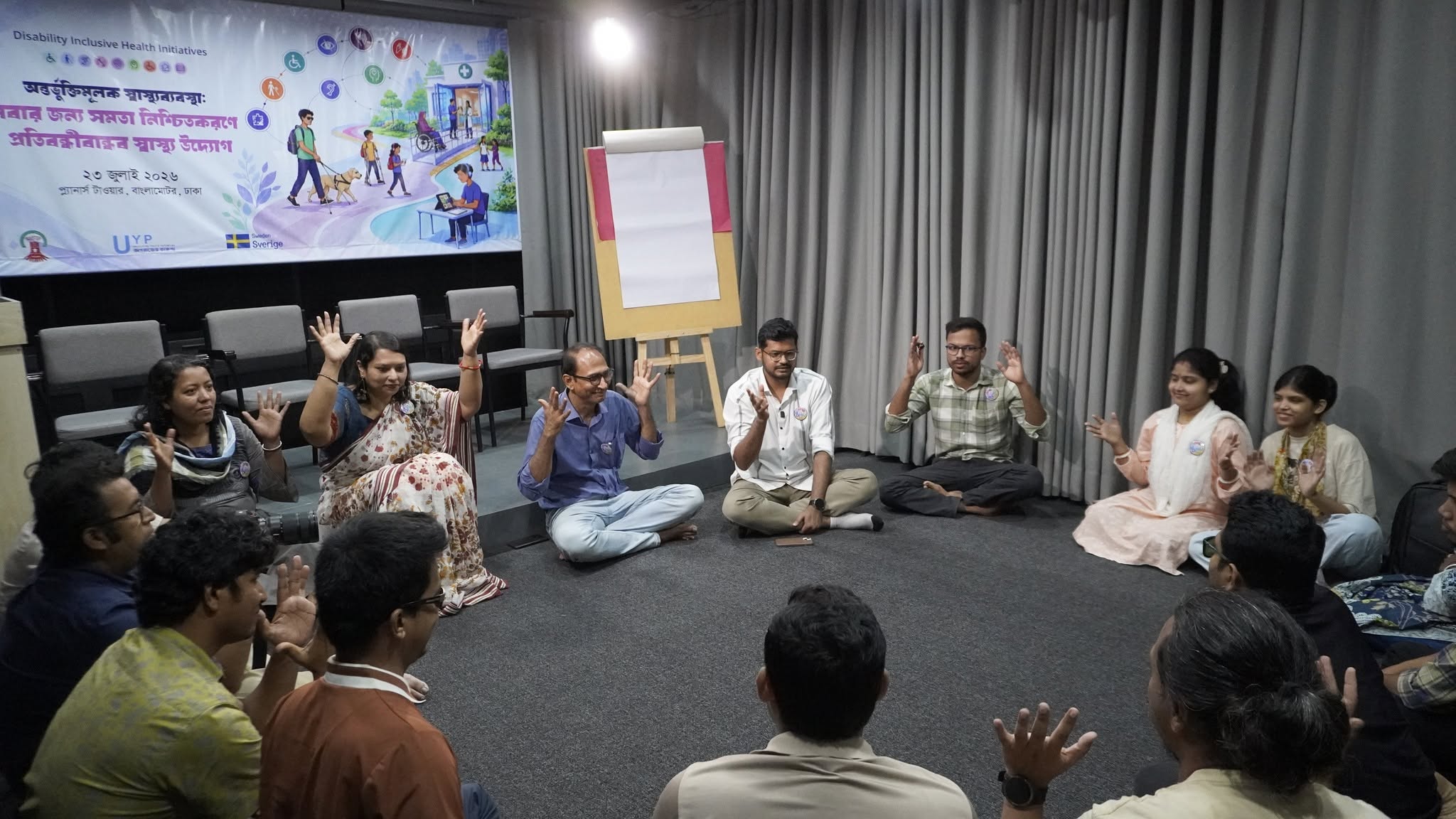
The program began with an engaging opening and ice-breaking session led by **Abu Raihan**, Project Manager, RHSTEP Aparajeyo Tarunno. Following the opening session, **Suraiya Jannat Sumi**, Program Coordinator, discussed the **human rights of persons with disabilities and their legal foundations**, highlighting the importance of understanding and claiming rights within the healthcare system.
**Setu Pal Rajib** participated as the facilitator and encouraged young people, particularly youth with physical disabilities, to become more aware of and actively advocate for their health rights.
During the session, participating youth with disabilities shared their experiences and identified various barriers they encounter throughout different stages of accessing healthcare. These included identifying their health needs, selecting appropriate healthcare facilities and doctors, receiving medical advice, undergoing diagnostic tests and navigating other essential steps within the healthcare system.
The discussion highlighted the importance of changing attitudes toward disability at every level of society. Speakers emphasized that meaningful policy-level change can only be achieved when perceptions, attitudes and everyday practices concerning disability also change within families, communities and society as a whole.
Participants identified several gaps in disability-friendly services at public healthcare facilities. These included the lack of **accessible lifts, ramps and specialized toilets** suitable for persons with disabilities. They also highlighted communication barriers faced by people with speech and hearing disabilities due to the limited availability of **sign-language interpreters** at healthcare facilities.
Participants further pointed out the lack of accessible health information and prescriptions in **Braille**, which creates additional challenges for people with visual disabilities in understanding medical information and accessing healthcare independently.
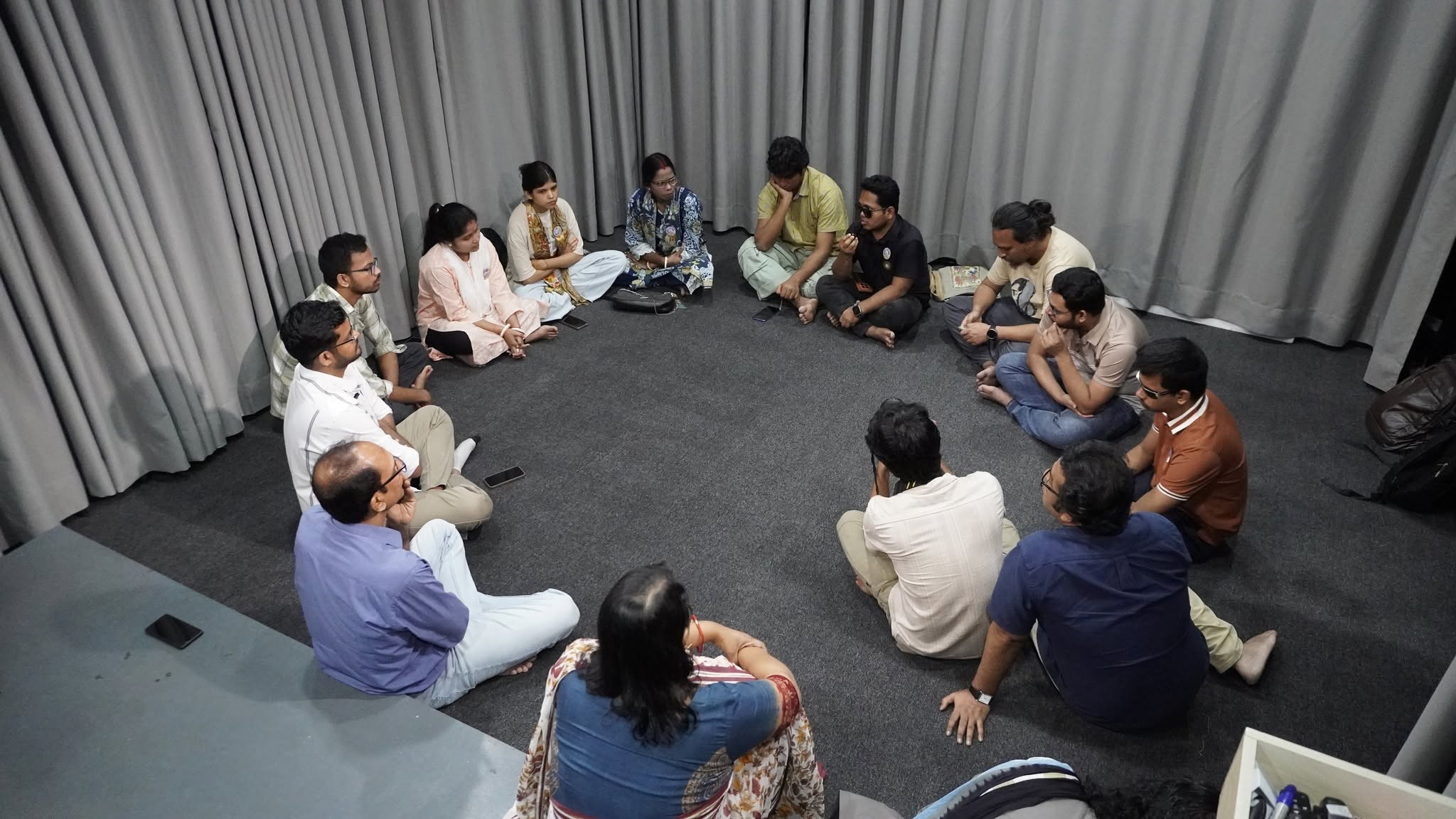
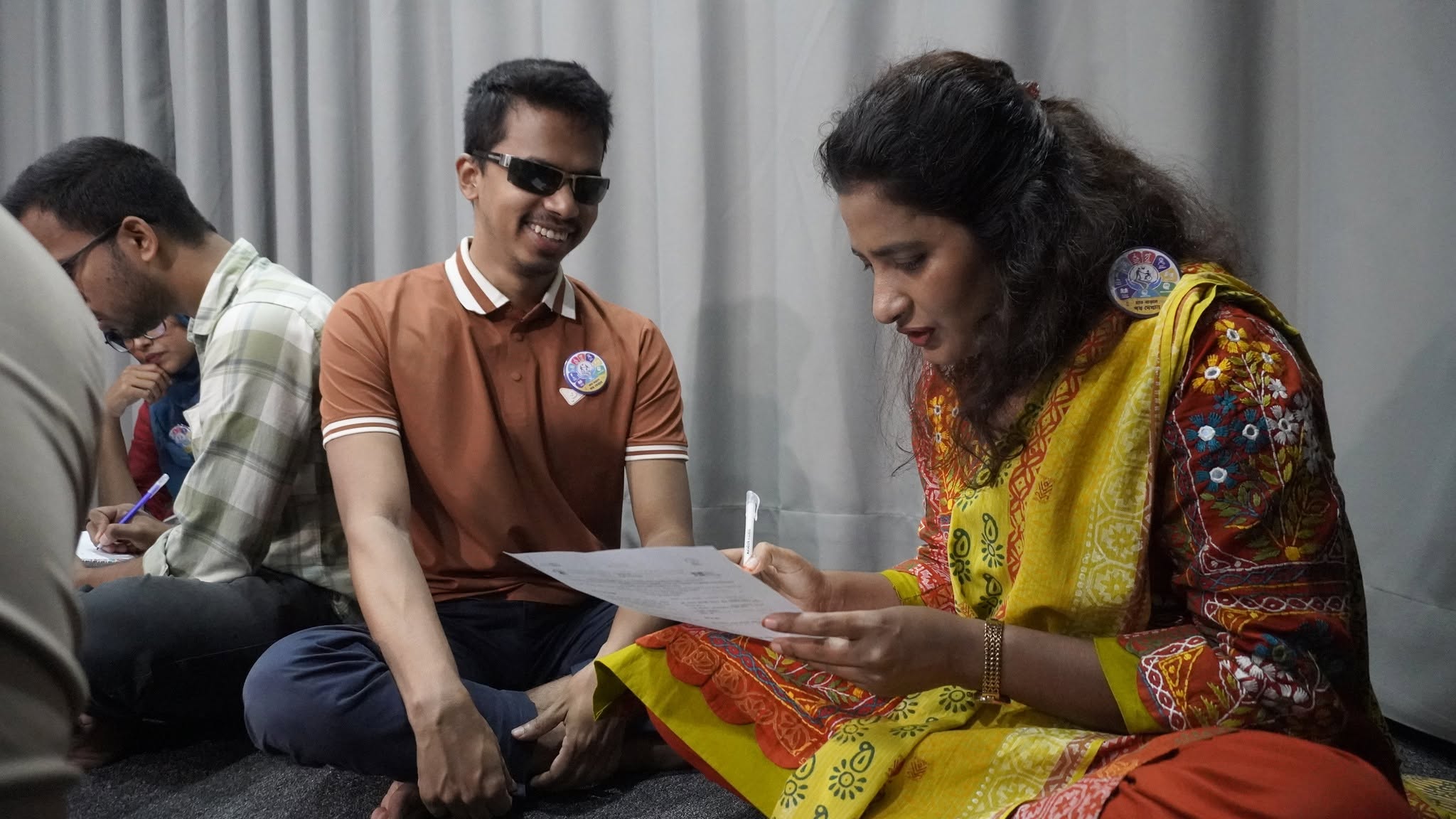
The final session was an **empathy mapping activity** facilitated by **Senior Program Officer Aktanin Khayer Tanin**. The activity was designed to help participants experience some of the everyday challenges faced by people with visual disabilities. Participants, including those with visual disabilities, closed their eyes and experienced how Braille letters can be identified through touch. They subsequently shared their feelings and reflections from the experience.
The participatory discussions and experiential activities provided an important platform for young people with disabilities to express their concerns, identify barriers and contribute ideas for improving accessibility and inclusivity within the healthcare system.
Through initiatives such as this, **RHSTEP’s Aparajeyo Tarunno (UYP)** continues to empower young people with disabilities, promote disability-inclusive healthcare and support meaningful youth participation in health-sector reform toward a more equitable health system for all.
Event Gallery