On 16 August 2026, RHSTEP’s Aparajeyo Tarunno UYP Office in Mymensingh organized “Disability Inclusive Health Initiatives Programme-02” . This programme brought together awareness, creativity, inclusive communication, and meaningful participation to promote a more equitable and disability-inclusive society.
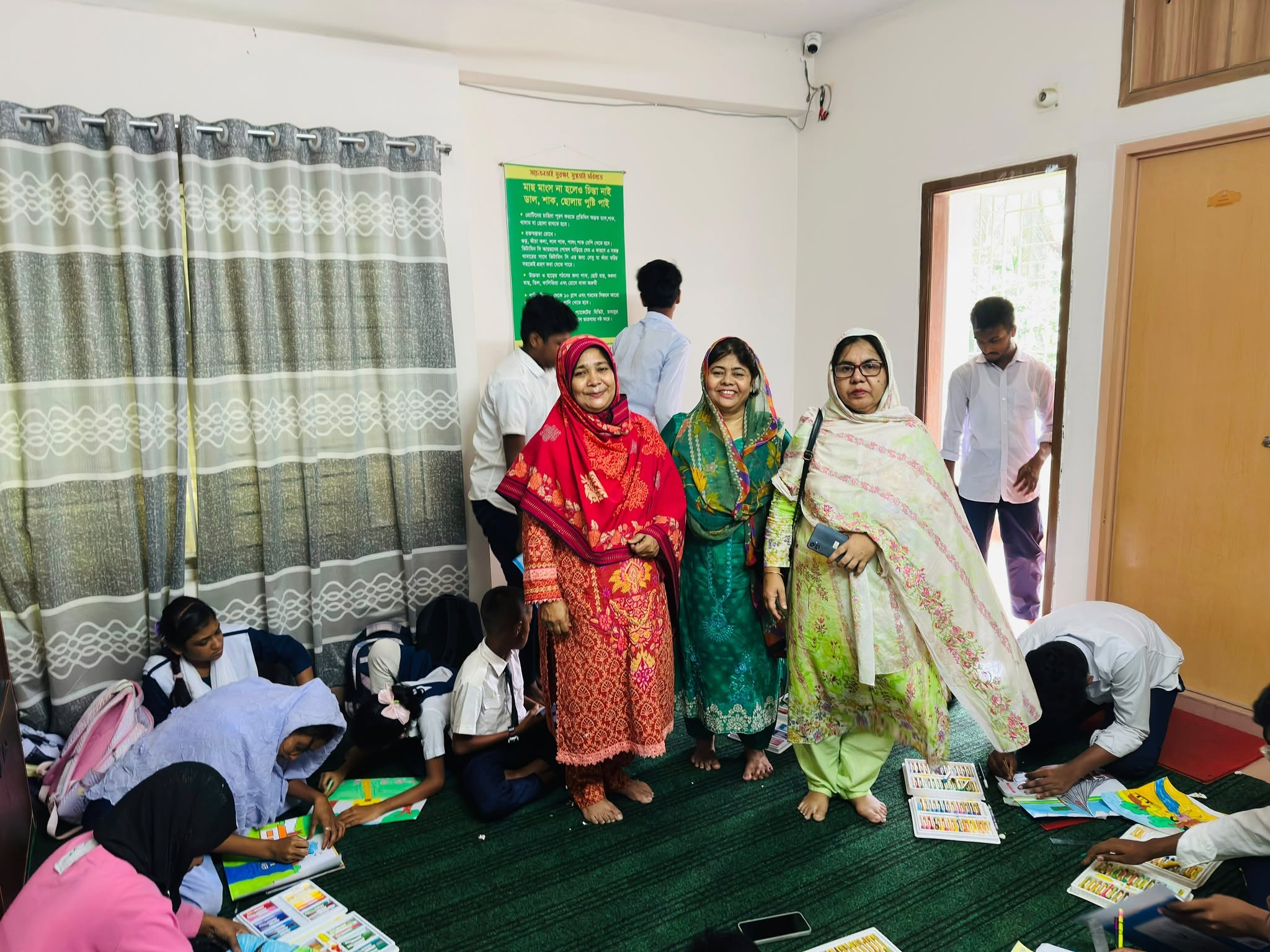
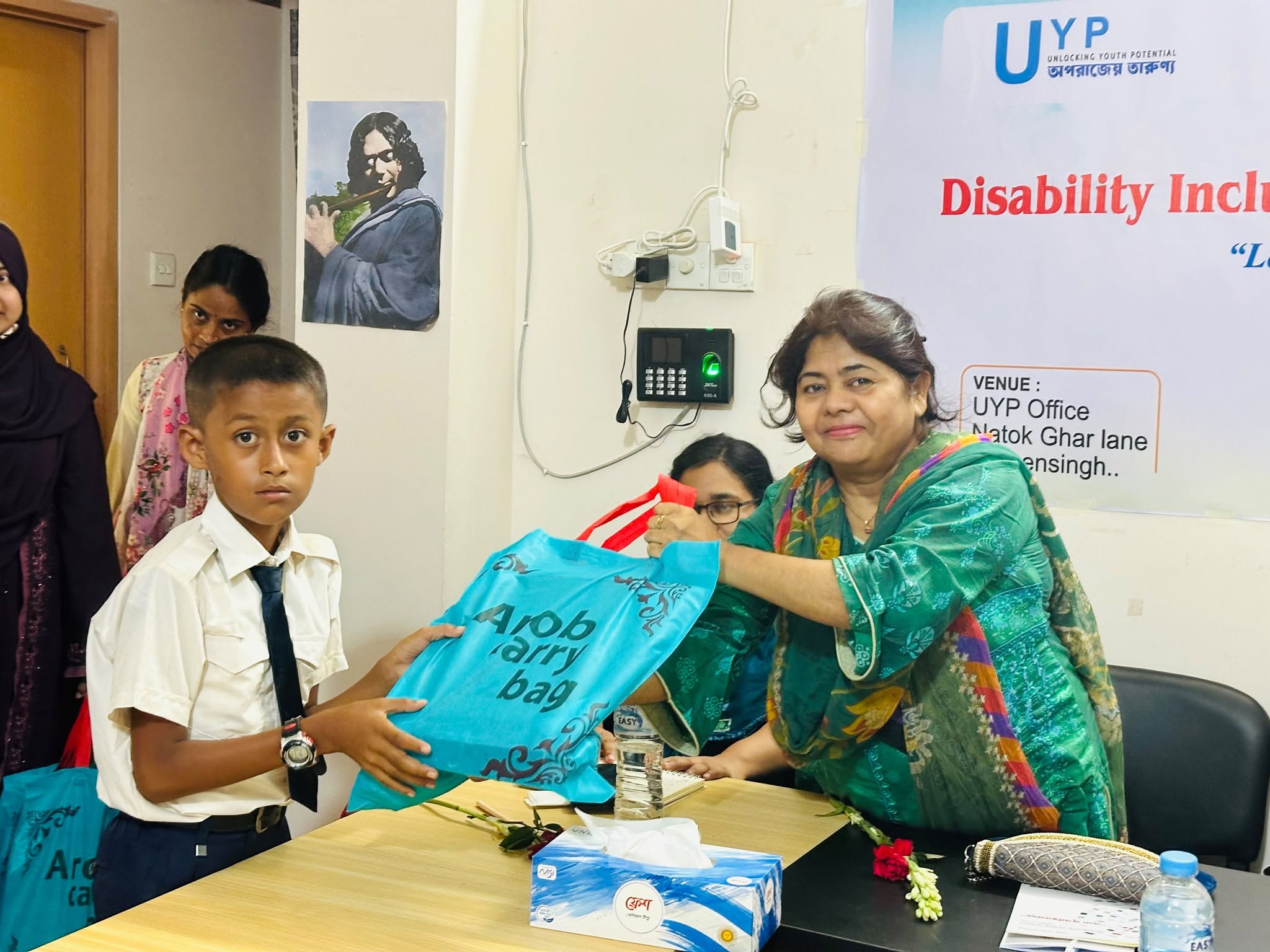
The event was attended by Nasrin Parvin, Upazila Women Affairs Officer, Phulbaria, and Mahmuda Aziz, Head Teacher of the School for the Deaf and Mute, Mymensingh, as guests. The programme was chaired by Resmina Haque, Project Officer, and facilitated by Md. Ershad Mia, Youth Officer.
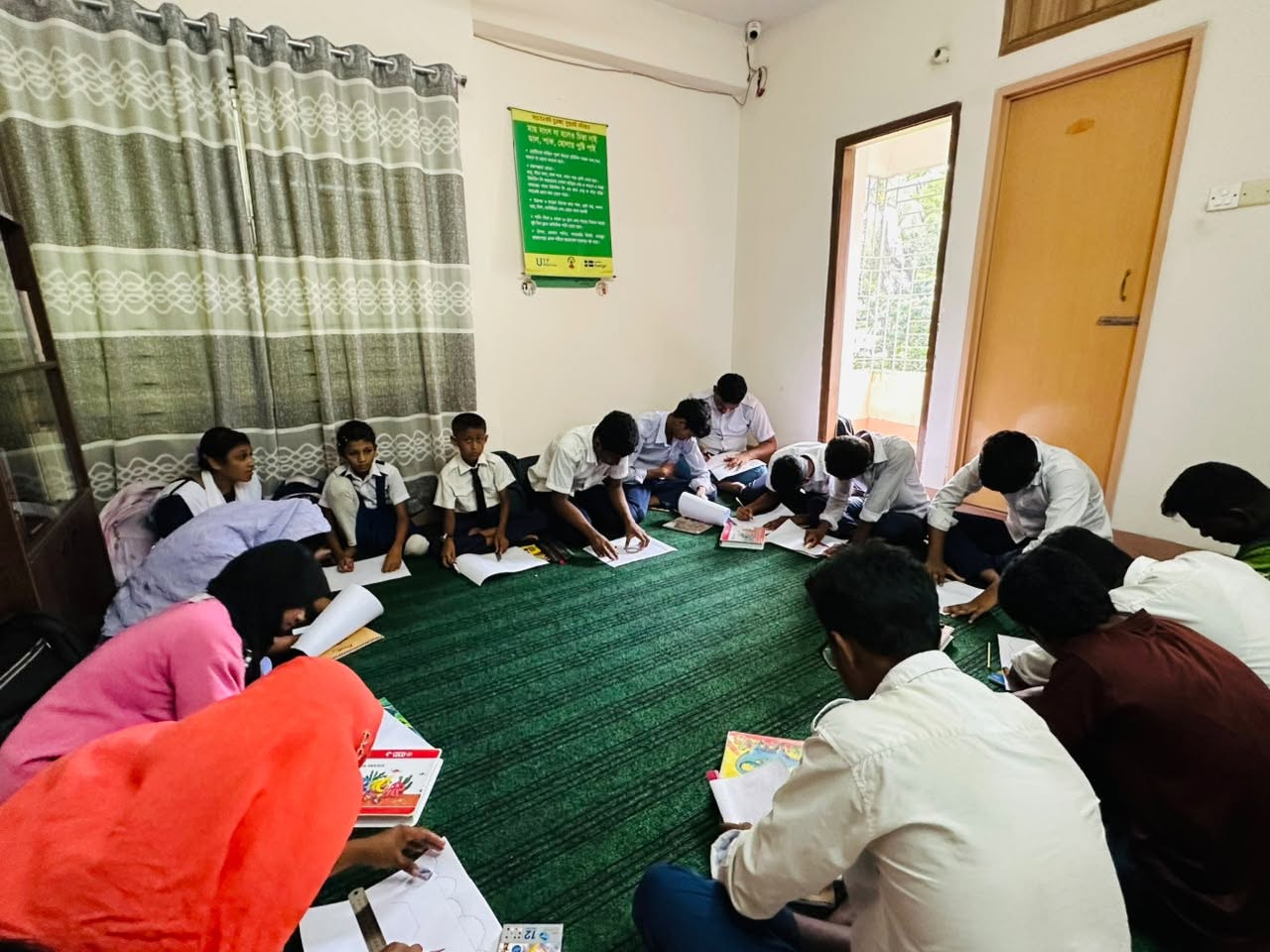
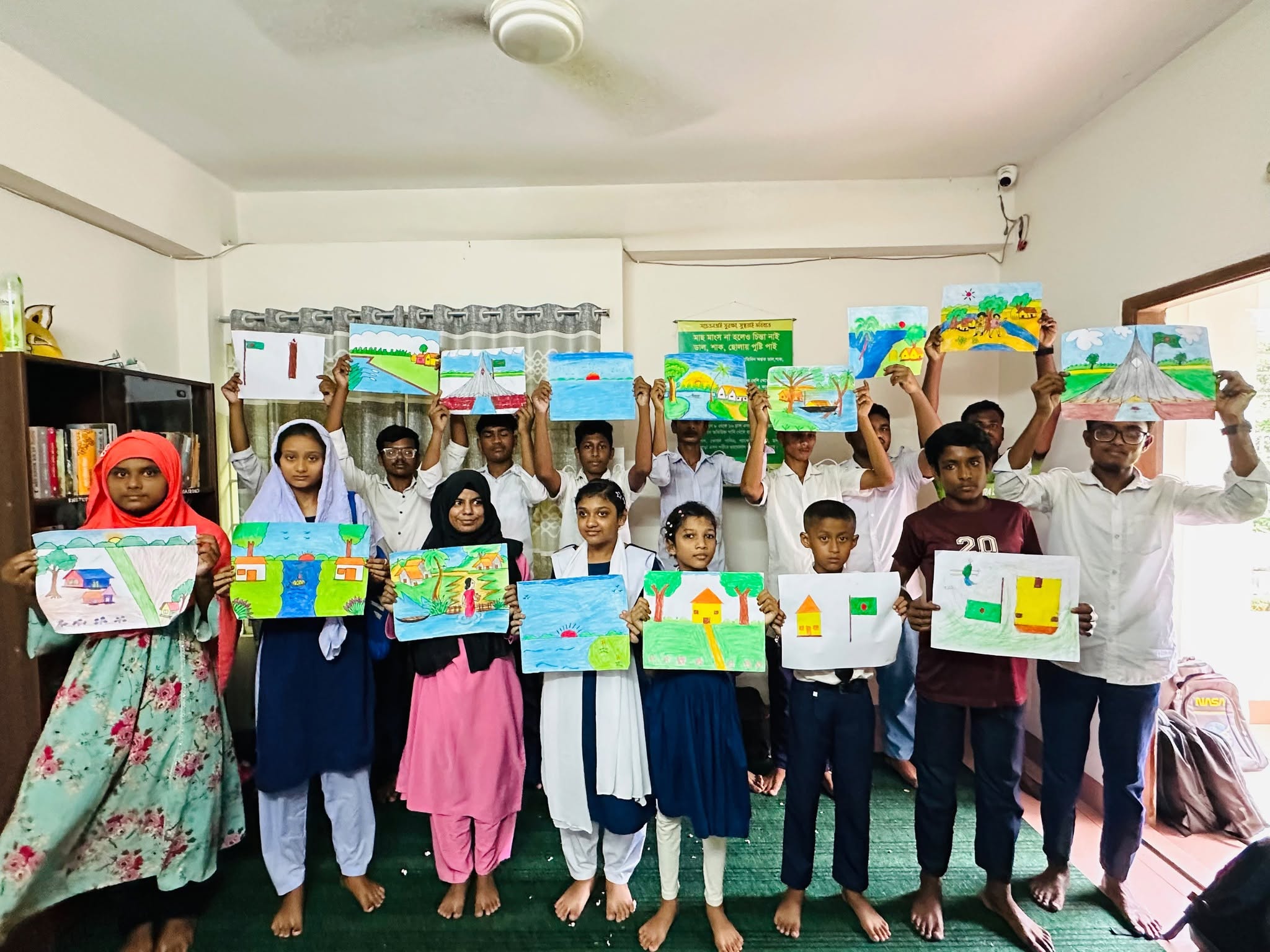
The programme began with an art competition, where participants expressed their thoughts, dreams, and aspirations through colours, lines, and creative artwork. The activity provided a space for participants to communicate beyond conventional forms of expression and highlighted the role of creativity in fostering inclusion.
During the discussion session, speakers highlighted the rights, dignity, potential, and participation of persons with disabilities, emphasizing the responsibilities of families, communities, and the state in creating an inclusive society. They stressed the importance of viewing disability not simply as a limitation, but as part of human diversity, while ensuring equal opportunities and meaningful participation in mainstream social life.
A particularly significant aspect of the programme was the use of sign language throughout the discussion. Mahmuda Aziz presented the discussions through sign language, enabling participants with hearing and speech disabilities to engage directly with the programme and its messages. The initiative demonstrated that while forms of communication may differ, the language of human connection and empathy remains universal.
The cultural segment added another meaningful dimension to the event. At the request of Mahmuda Aziz, Youth Officer Md. Ershad Mia and Mentor Jui performed a Lalon song for the participants. Probhat Das accompanied the performance on guitar, while Ershad also contributed on harmonium. The performance was designed with the participants’ experiences in mind, recognizing that music can be experienced not only through sound but also through visual expression, rhythm, vibration, and emotion.
The response of the participants offered a powerful reminder of the diverse ways in which people experience art and culture. The programme demonstrated how inclusive cultural activities can create meaningful connections even when conventional forms of communication are not accessible to everyone.
Event Gallery