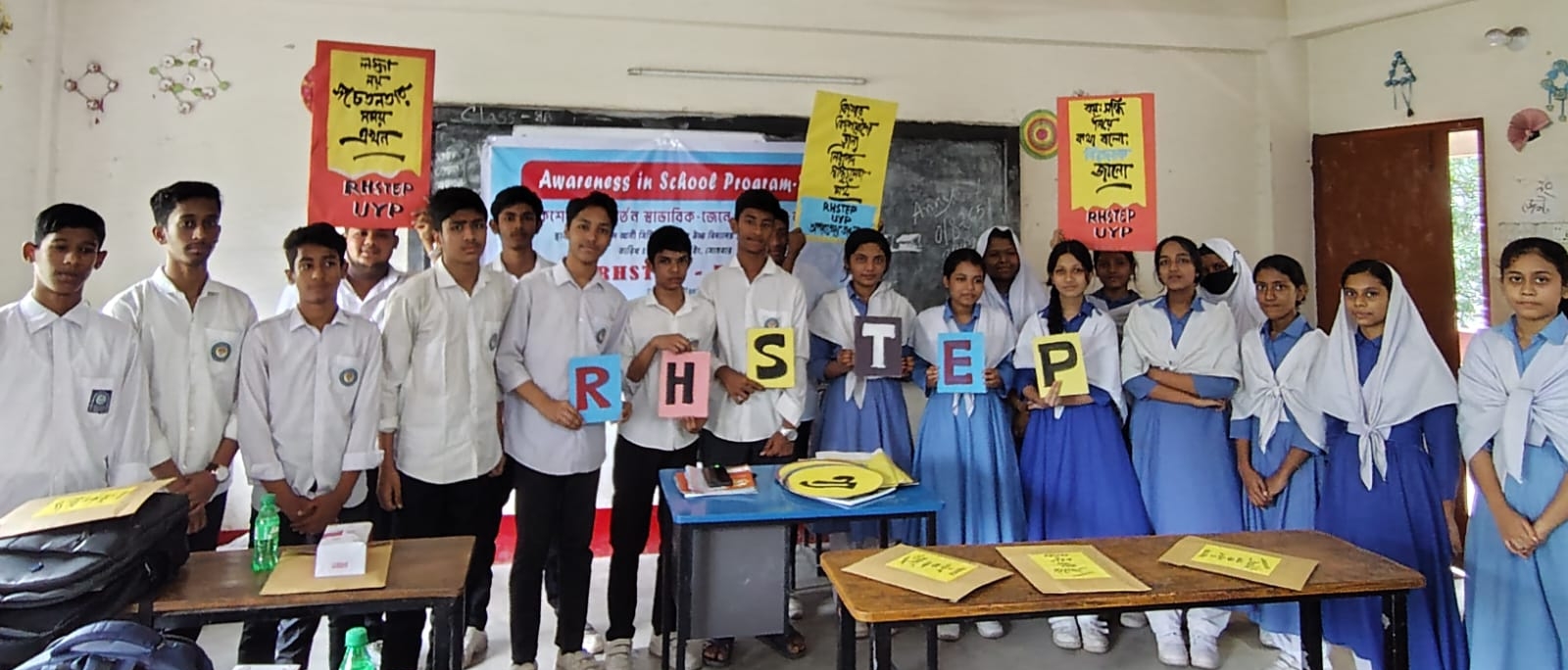
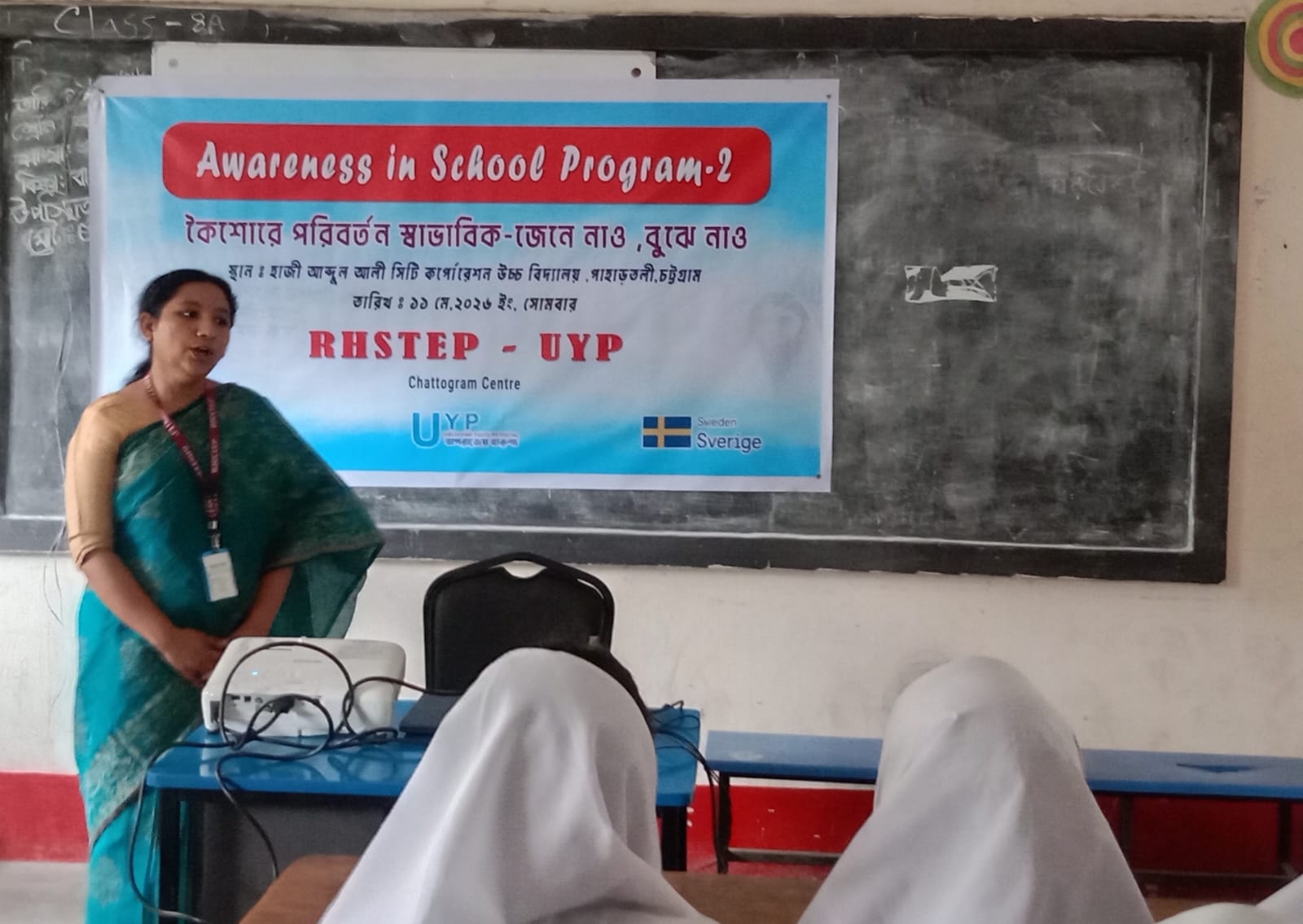
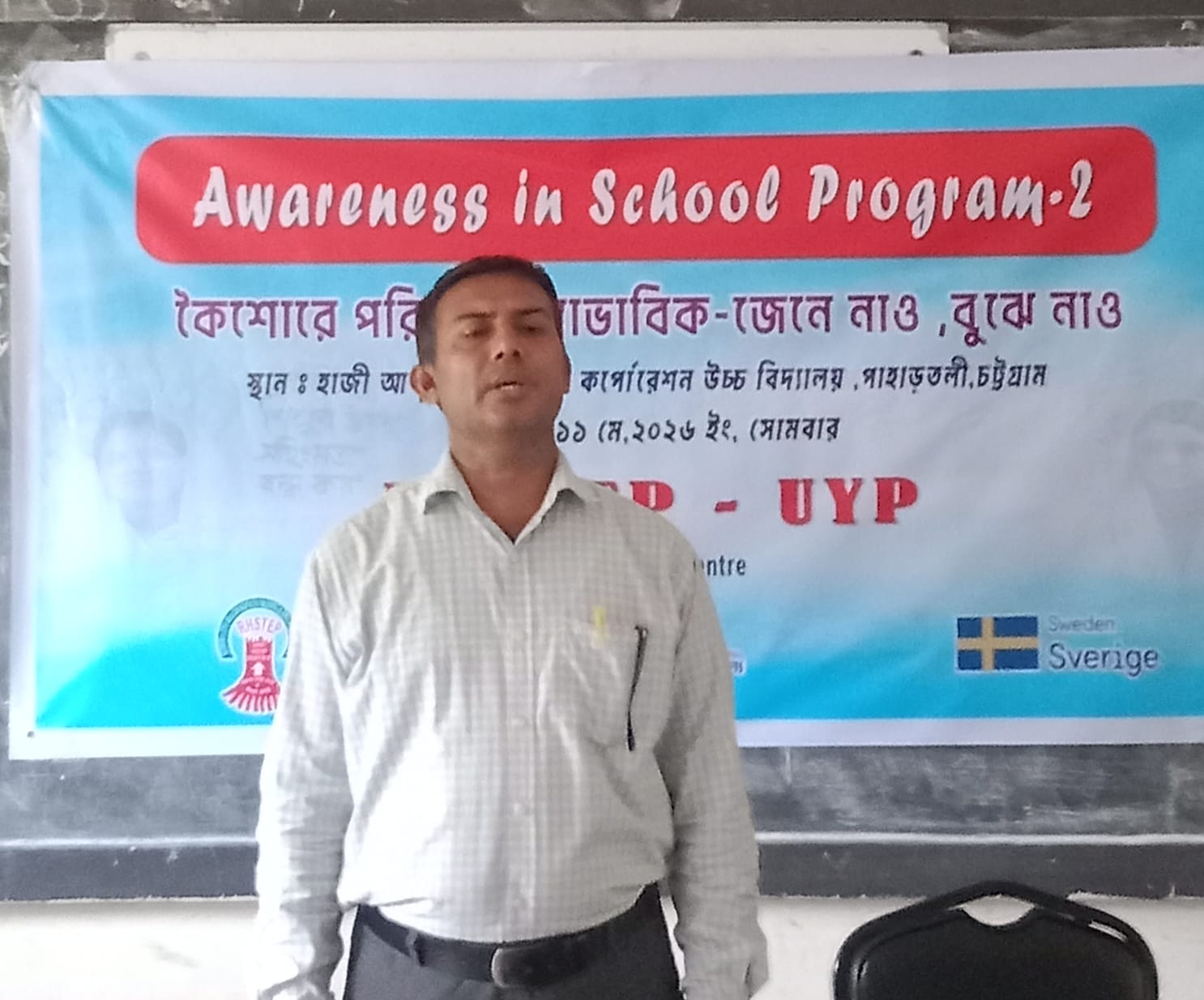
With the slogan “কৈশোরে পরিবর্তন স্বাভাবিক - জেনে নাও, বুঝে নাও” (Changes in Adolescence are Natural – Know It, Understand It), RHSTEP–Aparajeyo Tarunno Chattogram Center organized “School Awareness Program - 02” on 11 May 2026, Monday at Haji Abdul Ali City Corporation High School.
The program was chaired by Project Officer Opur Dasgupta of Aparajeyo Tarunno Chattogram. The discussion session included the presence and speeches of Assistant Head Teacher Md. Jasim Uddin and Youth Officer Anny Chowdhury. The session was moderated by Advocate Shamima Akter Jhuma.
At the beginning of the program, Mentor Saidur Rahman delivered a PowerPoint presentation introducing the topic and setting the foundation for the discussion on adolescence and its changes.
Speakers emphasized that adolescence is a highly important and sensitive phase of life during which boys and girls undergo significant physical, mental, and social transformations. They highlighted the importance of understanding, accepting, and managing these changes in a healthy and informed manner.
It was explained that adolescence is not a problem but a completely natural growth process. During this period, physical growth occurs, voices change, hormones shift, and emotional fluctuations become more frequent. Many adolescents may feel confused, shy, or anxious during this stage, which is completely normal.
However, the speakers stressed that what is most important is access to accurate knowledge, safe information, and responsible support. They noted that adolescents often hesitate to ask health-related questions due to fear of embarrassment or misunderstanding, which may lead them to rely on misinformation or harmful social myths.
The session aimed to ensure that young people gain correct understanding about their bodies, seek healthcare when needed, avoid isolation during emotional stress, and develop the ability to make safe and informed decisions. The awareness session was designed to make this process easier and more supportive for them.
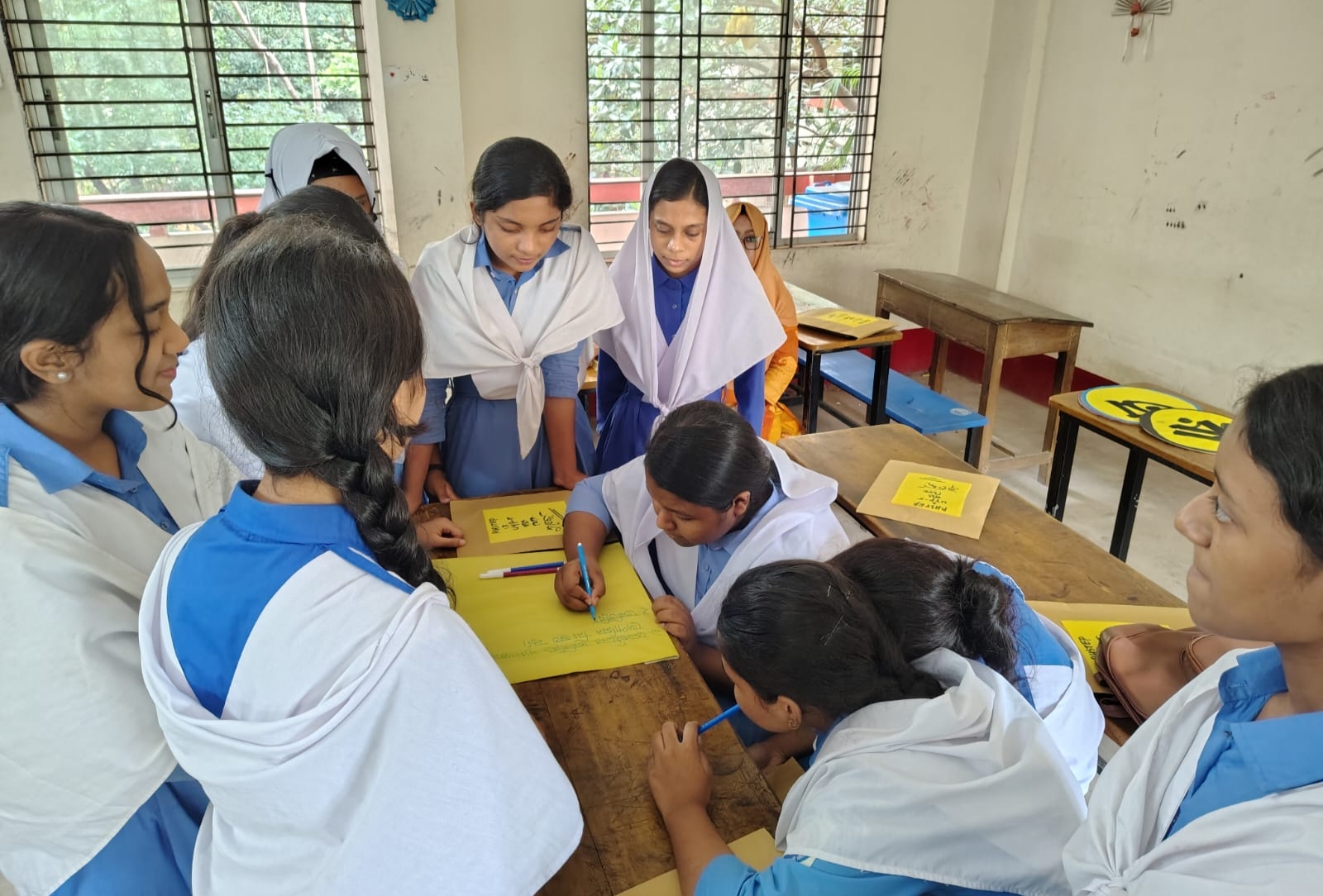
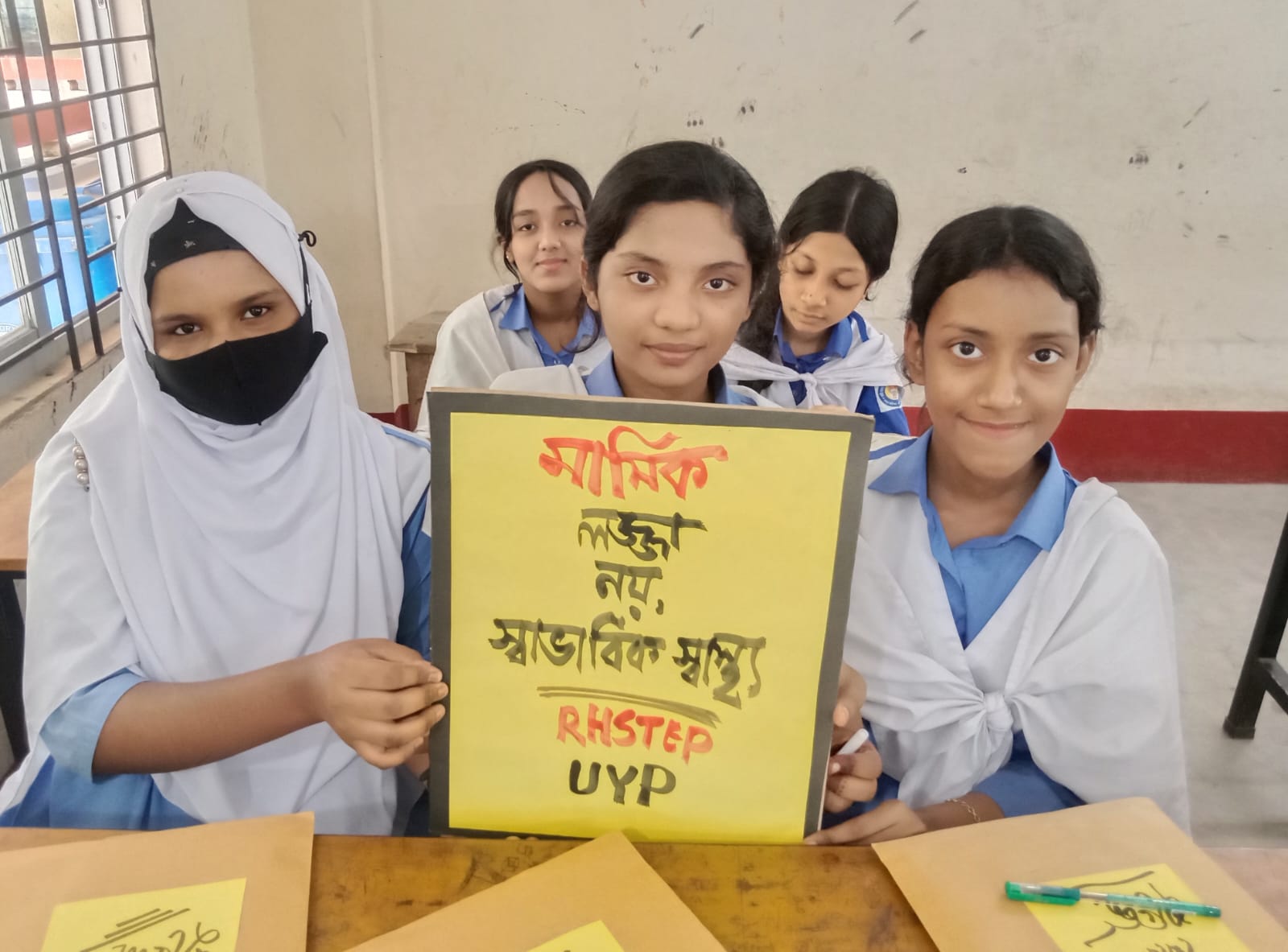
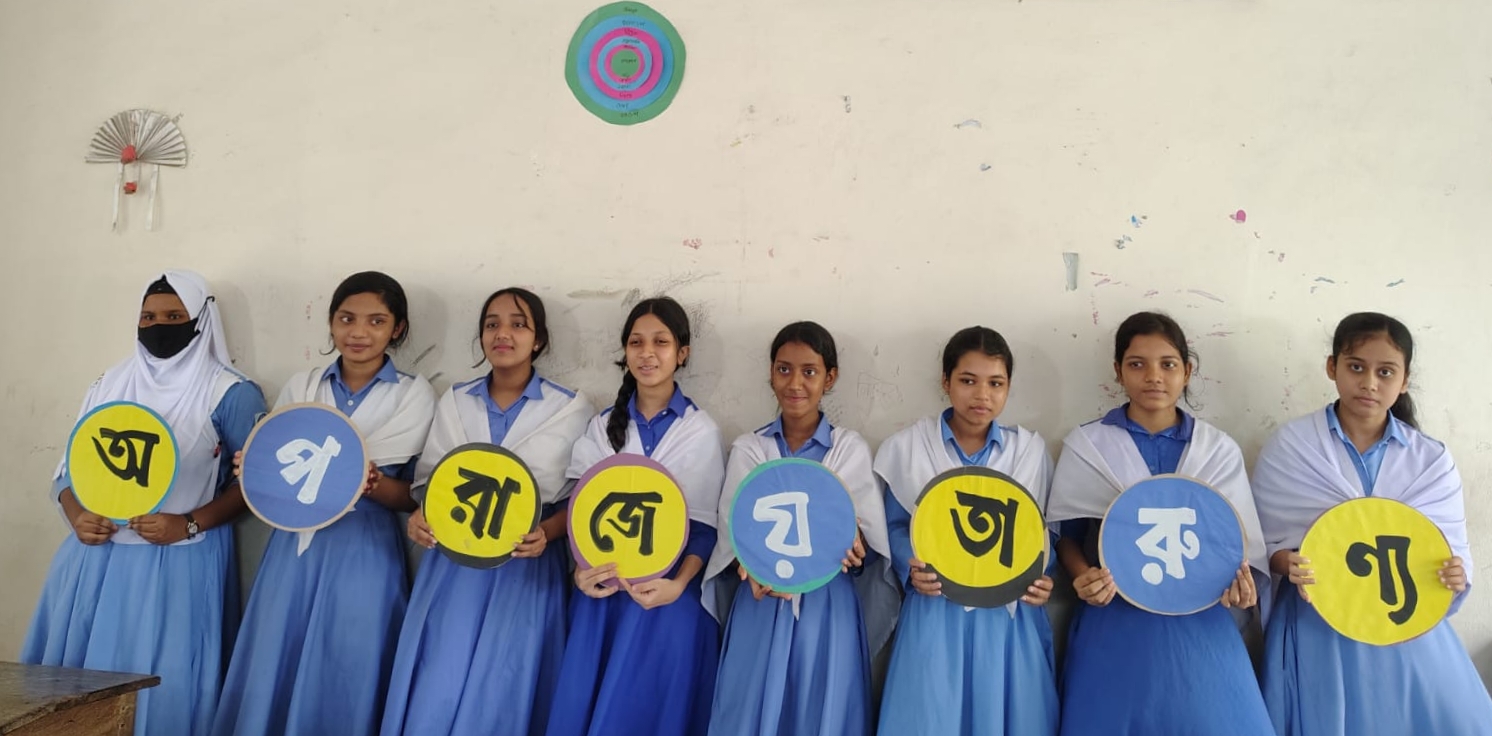
After the discussion, a group activity session was conducted with active participation from students to reinforce learning and encourage engagement.
Overall, the program significantly contributed to increasing awareness, reducing stigma, and promoting healthy adolescent development among students.
Event Gallery